
October is the tenth month of the year, and thus we are 10/12 through with our search the 21 best albums of 2021. We have come far my friends!
If you’re just joining for the first time, I’m listening to new releases each month, sorting them into yes/maybe/no, and then I’ll do a final shakedown to get the best 21 albums of the year. You can find the earlier installments here:
( January February March April May June July August September )
This is one of three music-related blog series I’m doing this year. We’re at the tenth of ten installments of my review of critic’s choices for the best albums of the 2010s, and the wrap-up of my review of the critic’s consensus on the 20 best albums of 2020 is here.
Since we’re nearing the end of this mad venture, I thought it might by an opportune time to say a few words on the theory and practice of a great album. Or to put it another way, what am I listening for? In my opinion, there are several potential ingredients that make for a successful album:
- Consistency- We’re all familiar with the “one or two good songs, but the rest is crap” phenomenon. To be clear, there is nothing wrong with being a great singles artist who never pulled off a great album. They can, and do, produce music that will live forever. But for an album as a whole to be great, there shouldn’t be a song on it, much less whole sections, where one is thinking, “This is shit, but I’ll hang in there because of what comes before/after.”
- Quality- This is kind of a difficult to nail down concept, but I think it’s crucial. It could be that the album is incredibly ambitious musically. Or, it might be doing something more modest musically, but doing it very well. Perhaps it’s the vocals or lyrics that are a cut above- in sophistication, in intelligence, in the depth of the feeling they’re conveying. Probably it’s several of these things in combination. Whatever it is, there has to be something that’s somehow above and beyond.
- Pacing/Sequencing- I can’t tell you how many times I was listening to something that was well on its way to being a “yes”, but then the second half went flat after a great first half. Or energy built up by one song was dissipated by a series of songs that were in a completely different tone or mood. In many of these cases, it wouldn’t even have been necessary to cut anything, it could have just been arranged differently so that the ups/downs, fast/slows, quiet/louds, etc. had a natural rhythm to them.
- Listenability- Here you might be thinking, “duh”. I mean, of course you should enjoy listening to it. And that can be quite a subjective quality, of course. But there are many albums where I found what they were doing interesting, or challenging, even thoroughly worthy, but it ended up being a little too discordant or grating to bear extended listening. Or others where it was all so much in one tone musically, vocally, or emotionally, that it all started to blend together in a way that lost my attention. If you’re going to listen to the whole thing, and want to listen to it more than once, is needs to be listenable. Duh.
- Honesty- How’s that for an abstract term? I’m not sure how precisely to define it, but what I mean is, for almost any song to work, there has to be something authentic, genuine, vital to it. It might be in the music, the vocals, the lyrics, somewhere in between, but it’s the difference between something that is technically solid or well produced but leaves you totally cold and something that catches your attention and sticks with you later.
- Unity- This is a big one. For a whole album to work, and work greatly, there needs to be something holding it together. This doesn’t at all mean every album needs to be a rock opera, have a grand story arc, or be a concept album with repeated motifs, though all of those can work. It could be something as simple as a common set of themes that the lyrics are wrestling with. Or a particular musical vein or sonic approach that’s developed throughout. Even, as ephemeral as this can be, simply a spirit or an attitude holding the whole thing together.
And these things are to some extent substitute with each other. A given album might succeed by doing, say, three of these things really well, but the other three not as strongly. If you’re thinking of a great album that you like all the way through, and go back to again and again, though, I’m betting some combination of most of the above is at play.
All right, enough philosophizing, let’s get on with it! But before we proceed, a quick note about the three categories:
Yes– These are the albums that, based on my initial listen, are in definite contention to be considered for the 21 best albums of the year. This list is now up to 216 albums, so a minimum 90% slaughter is headed their way. Gird your loins!
Maybe– These are albums that had definite strengths, but about which I have some reservation. I’ve noticed over the years that sometimes “maybes” linger, so I’m giving them a category just in case.
No– These albums are not in contention. Some of them deserve discussion, though, which I note.
Now, on to the truly excessive 134 October new releases I listened to!

Atmosphere, WORD?– Trippy, fun, and often hilarious hip-hop, served well by the completely artless vocal styling (I mean this in a good way- it’s often like he’s just talking to us!). This American hip hop duo from Minneapolis, Minnesota, consisting of rapper Slug and DJ/producer Ant, started in the 90s, which makes sense in terms of the sound and the tone, which reminds me of KRS-One.

Billy Bragg, The Million Things That Never Happened– Billy Bragg has many different modes/moods. This one is more slow and bittersweet, a collection written from age/wisdom taking stock of where one is in life, and what one still believes in and wants. Which is not to say there aren’t moments of humor, stirring music, optimism, and his trademark fiery political commitment in there too.

Charlotte Cornfield, Highs in the Minuses– This Canadian singer-songwriter is a hidden (at least heretofore to me) gem! The songs know how to work a chord change and are solid musically, but where it really shines is the lyrics. They seem in a way, insularly personal and specific, but in their very specificity are somehow relatable- this is her life, and her thoughts and feelings about it, and hey, that kind of reminds me of my life, and my thoughts and feelings about it. Her straightforward and flawlessly authentic vocal delivery further sells it.
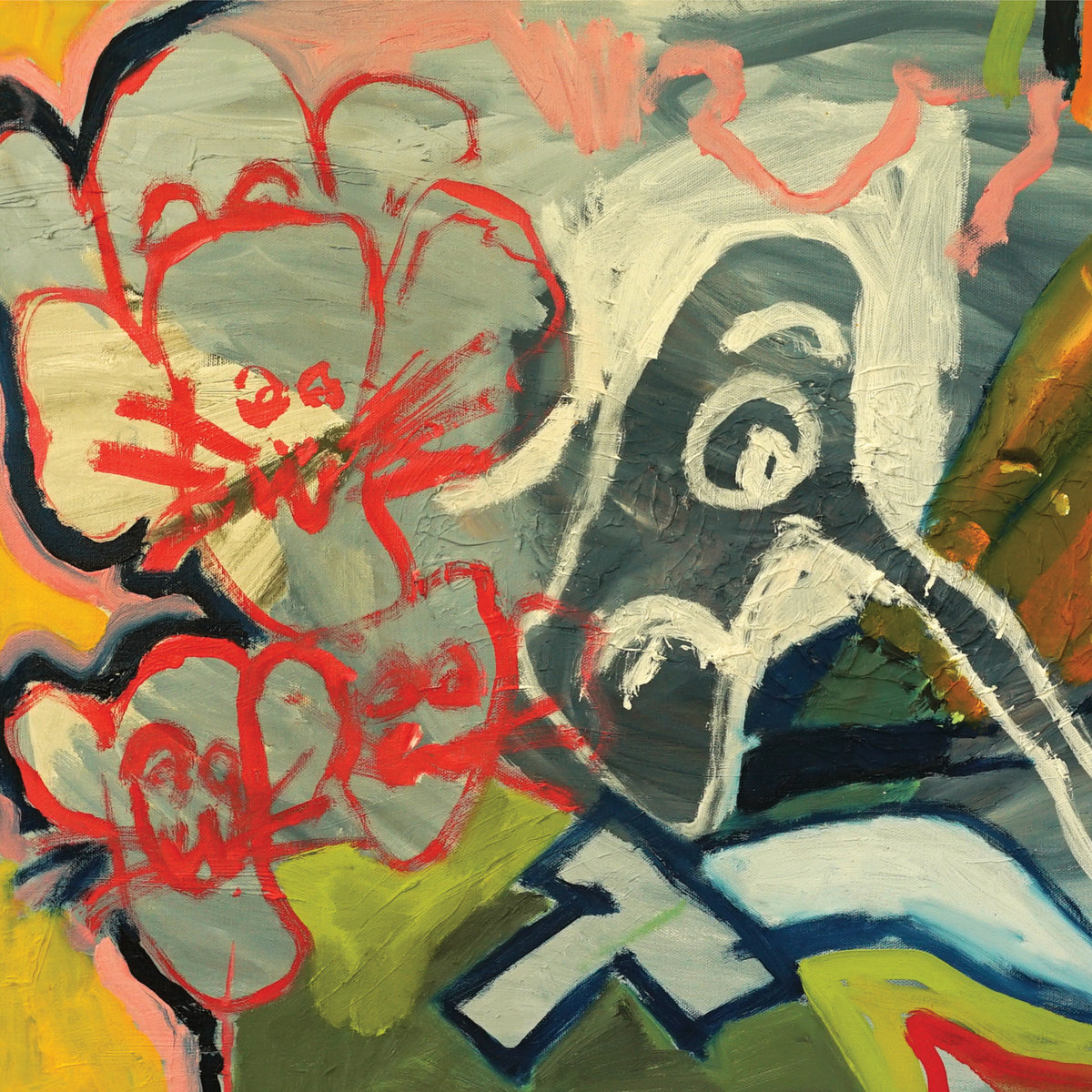
Clamm, Beseech Me– By the sound of it, I would not be surprised if this album had landed on us from the late 70s LA Punk scene, or from the early 80s U.S. hardcore scene. In fact, it’s from Melbourne in 2021. Despite the weird time-capsule feeling, I kind of love it- as it turns out, the original punk sound is still a good way to warm an old punk’s heart.

Eris Drew, Quivering in Time– What do you do if you’re holed up in a log cabin in New Hampshire during plague times? If you’re DJ and producer Eris Drew, you mix together this very fine house/electronic album. If you’ve been following along at home, you know that electronic music is often a tough sell for me, but this is so full of energy, and a wit in production that moves it dynamically forward while the trance of the beats pulls you hypnotically under that I never even thought about touching that dial. Or clicking that mouse, as it were.
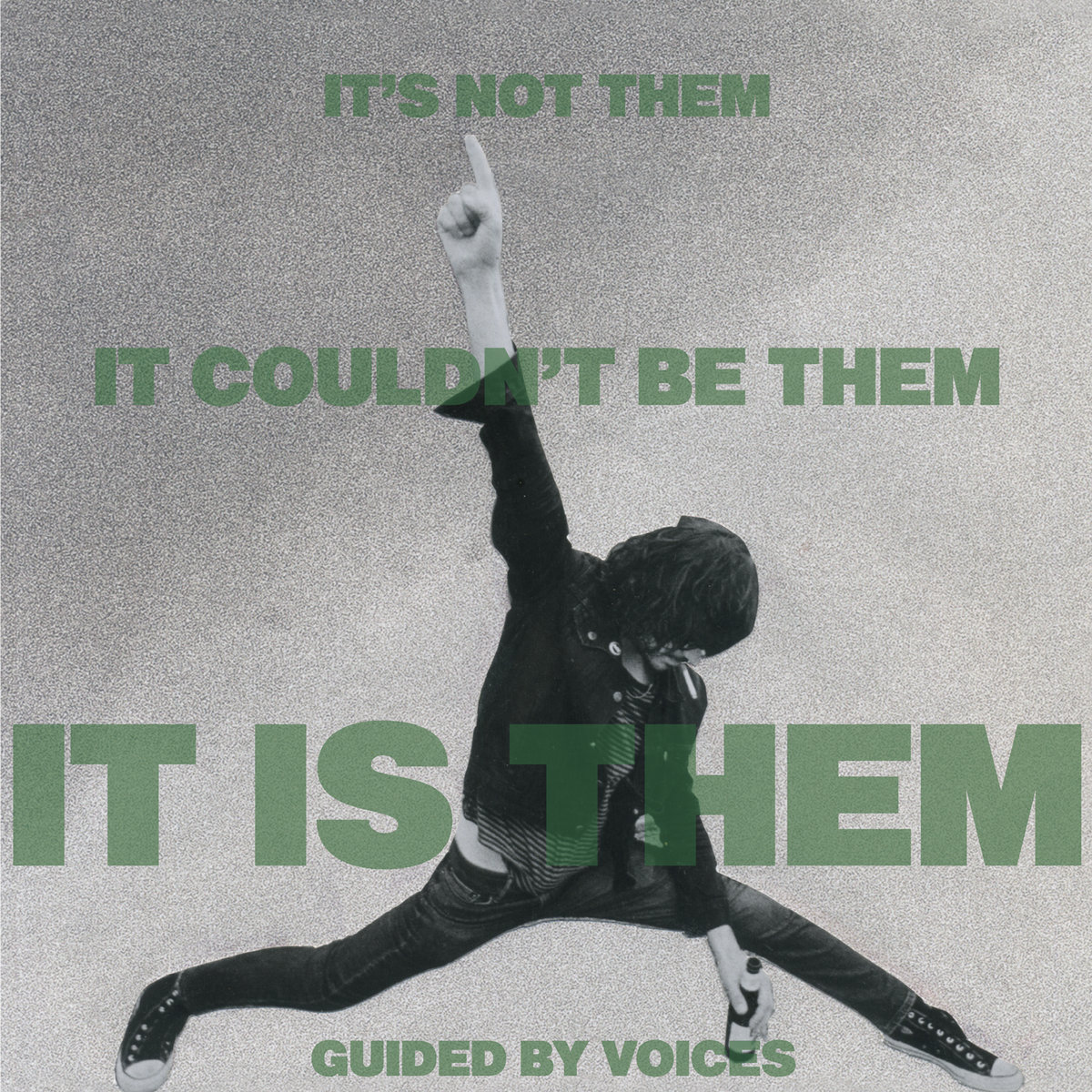
Guided by Voices, It’s Not Them. It Couldn’t Be Them. It Is Them!– This is the second Guided by Voices album of the year, and, as is their wont, sounds different from the other one, and sounds excellent. This one is more in an early 70s prog/psychedelic groove, with enough guitar in a punk/80s alt vein to keep it moving.
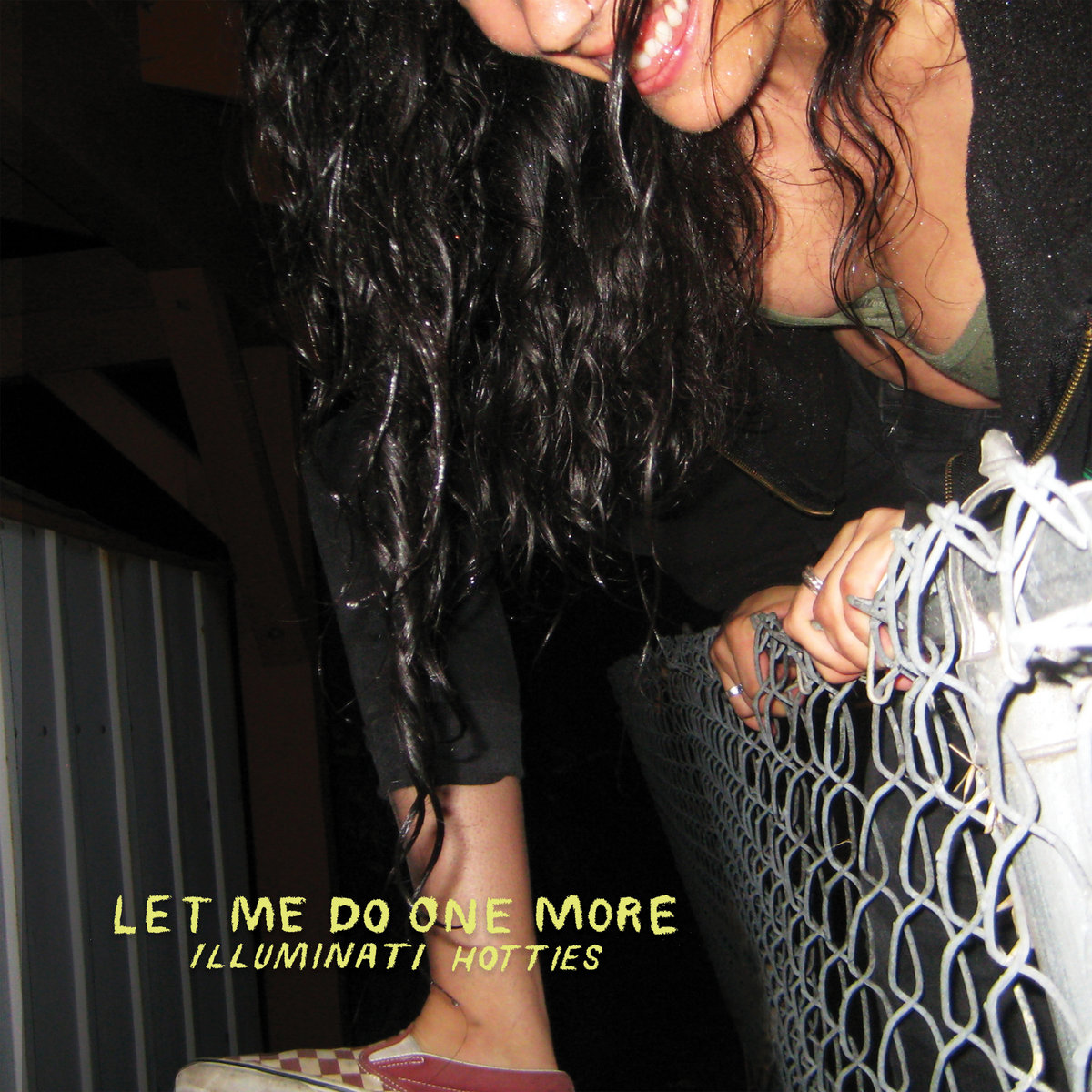
Illuminati Hotties, Let Me Do One More– American indie rock band from Los Angeles created by producer/audio engineer Sarah Tudzin. It’s really something! On the one hand, it seems a little like 2000s YouTube pop. But at other times it’s channeling grunge and full-on 90s guitar-crunching songstress. And sometimes it’s in experimental and manic hyperpop modes all its own. And I mean the name is pretty cool too, right? Definitely a talent worth keeping an eye on!
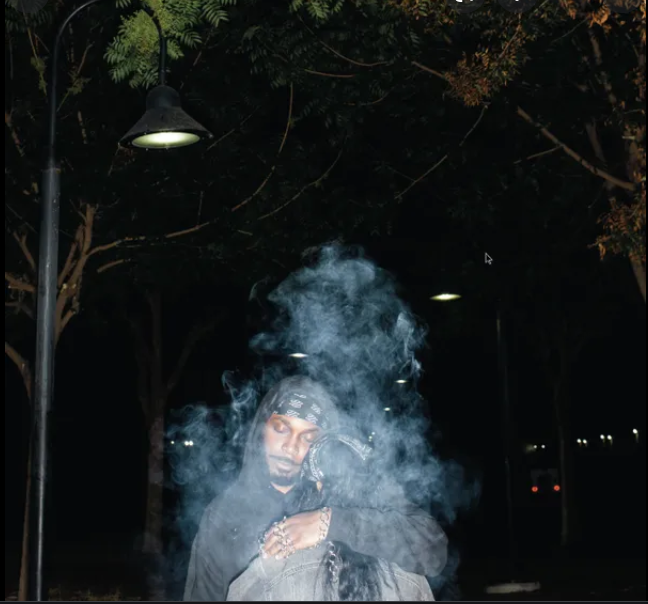
JPEGmafia, LP!– Barrington DeVaughn Hendricks, known professionally as JPEGmafia, is an American rapper, singer, and record producer from Brooklyn. His hip-hop comes from an electronic direction with an interesting and challenging musical and lyrical mix. It reminds me a bit of 90s Conscious hip-hop, and also of 80s metallic beats, but is something unique and all its own on top of that.
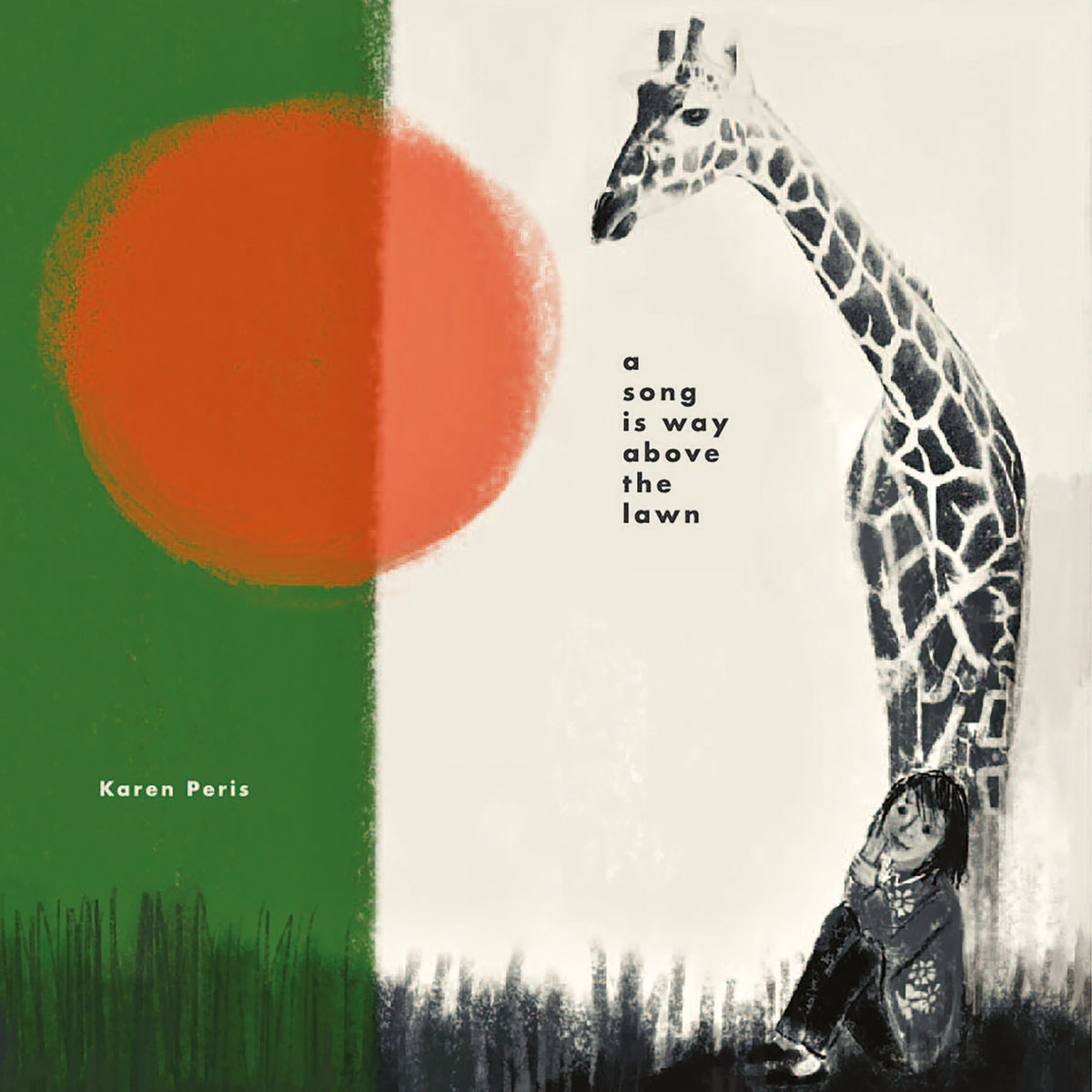
Karen Peris, A Song Is Way Above the Lawn– This album by Innocence Mission alumni Peris is meant to be a children’s album, but it works for adults. In fact, it’s exactly those aspects that might make it work for children- a kind of lyrical naiveté, a fable-like quality, a straightforward even somewhat bare musical and vocal presentation, that makes it so affecting. It feels a little like a haunted fairy tale.

Lana Del Rey, Blue Bannisters– This is her second album this year, and, consistently, she’s amazing. I did wonder about the slow vein it started in and mostly maintains, but as it goes on, it’s clear that this is deliberate- the album is a meditation on the richness of heartbreak and feeling blue. And it’s magnificently done.

Lilly Hiatt, Lately– I have a friend who is a big John Hiatt fan, and, under her influence, I am learning to significantly appreciate him. So I was naturally curious to see what his daughter Lilly is up to. It turns out that she’s up to making a really good country-themed album, with great playing, powerful vocals, and just the right mix of respect for traditionalism and verve.
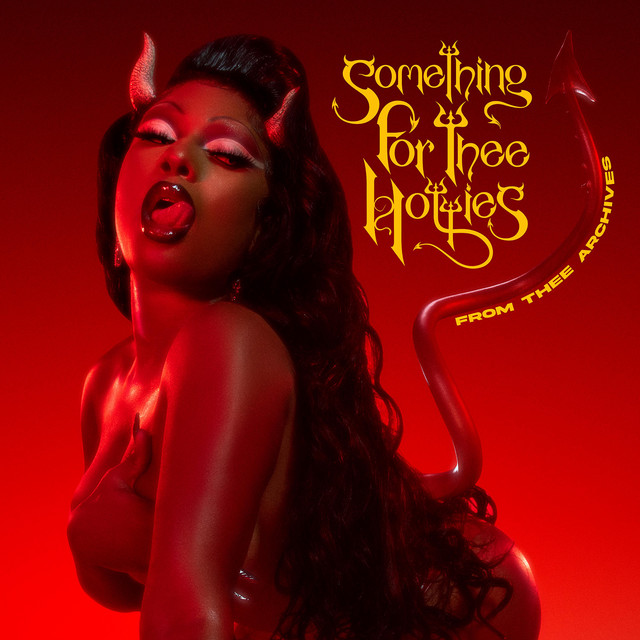
Megan Thee Stallion, Something for Thee Hotties– The stallion named Megan is never less than interesting. She released this mix of previously online free-styles and archive tracks as a gift for fans and proceeds to spend it blisteringly talking trash, female empowerment, and in our faces sexuality. With some great beats and non-stop excellent vocal flow thrown in. If this was a male hip-hop artist doing something similar, it probably wouldn’t work, but the gender inversion makes me say, “Go girl!”

Mon Laferte, 1940 Carmen– The second album out from this Chilean songstress this year. It is just so darn pretty, and her voice is stunning. It also has a mix of Spanish and English, and dips into pop styles of the 60s, making it more accessible (to me, anyway) than her earlier in the year all-Spanish album which focused on Mexican folk music.

Natalie Hemby, Pins and Needles– Second solo album by an artist who has written hit songs for many other country artists over the last 20+ years. I expected/feared from this something that would be very pop country. In fact, while definitely coming from a country direction, it’s often got a rock feeling to it, and, while being pop catchy, has a good sense for emotional complexity, delivered in a voice that rings authentic.
ONETWOTHREE, ONETWOTHREE– We kick into gear with a grooving head-bopping start, with a staccato vocal punch. This is the product of three female bassists/singers from classic Swiss post-punk bands, and that’s what it sounds like. In a wonderful way! Dissonant, spare, driving, nervy.
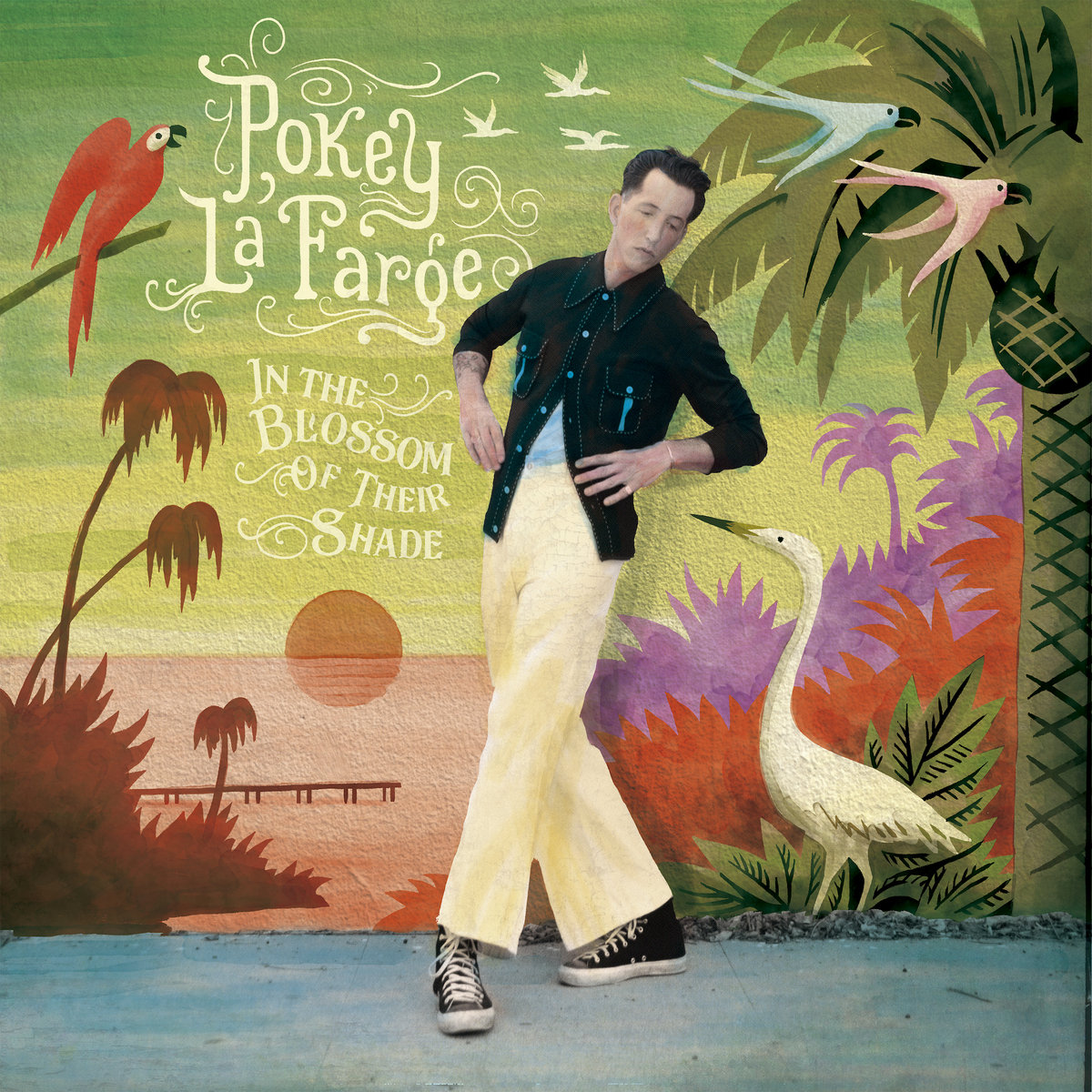
Pokey LaFarge, In the Blossom of Their Shade– Vocal pop with country, 50s rock, swing, ska, and Latin sounds in the mix. This description is true, but I think it undersells how delightful the combination of this, and his plaintive croon, is. This is some really excellent Americana.

Remi Wolf, Juno– Musically, this is definitely coming from a dance/pop direction, but her personality, hilarious and super-smart lyrics, and the verve and variety of the music mix all put it over the top. Apparently, she was on American Idol in 2014 as a high school student. She was way too good for them, as she subsequently proved by getting a music degree and then self-releasing her own material. This is her studio album debut, and I’m firmly convinced she’s an exciting talent to keep an eye on!
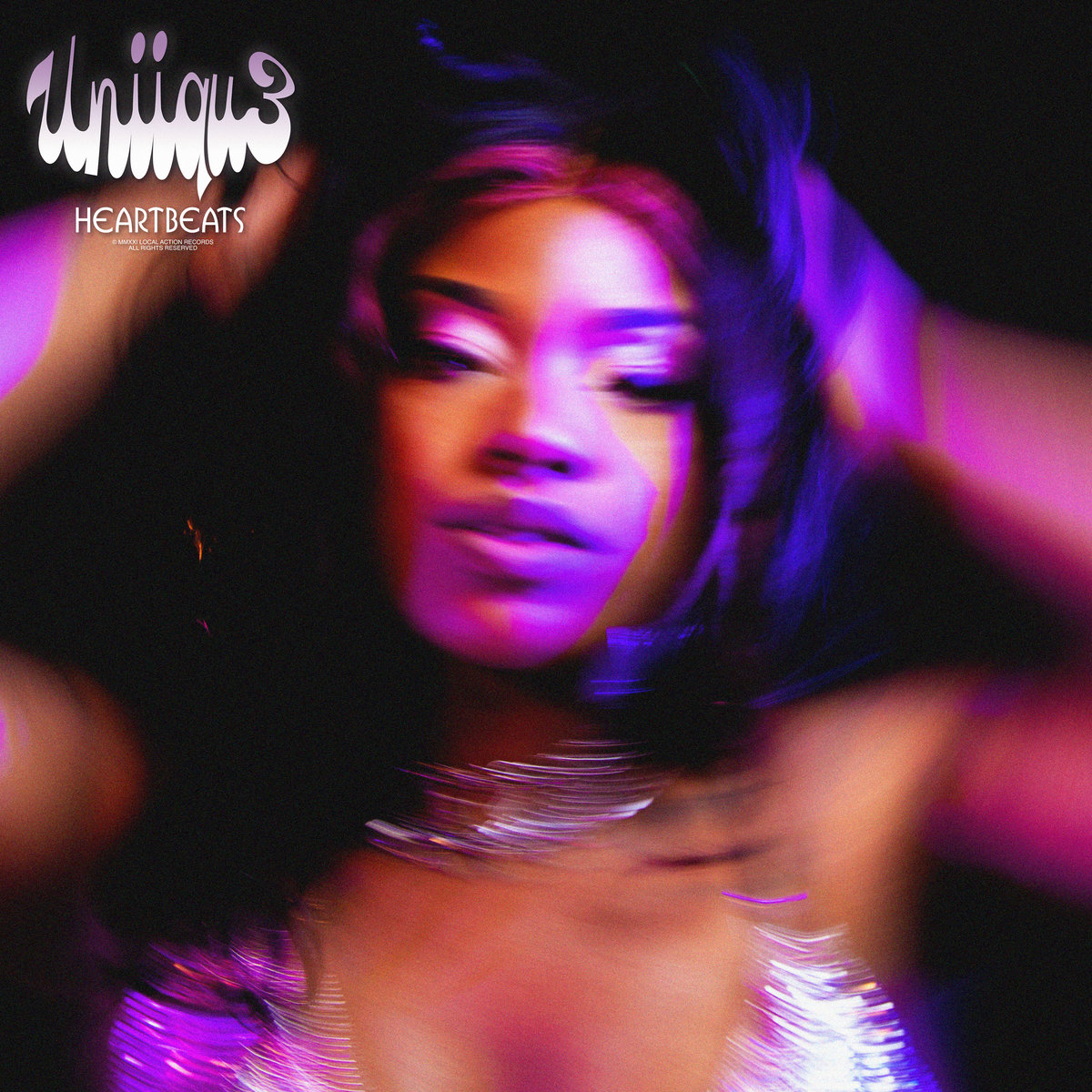
UNIIQU3, Heartbeats– I think I like Jersey Club, because between this, and Cookie Kawaii’s album earlier this year, I’m on board! The beats and mix are relentless, the sexuality is over the top and hilarious, and the general wit and unusual presence is non-stop fun.
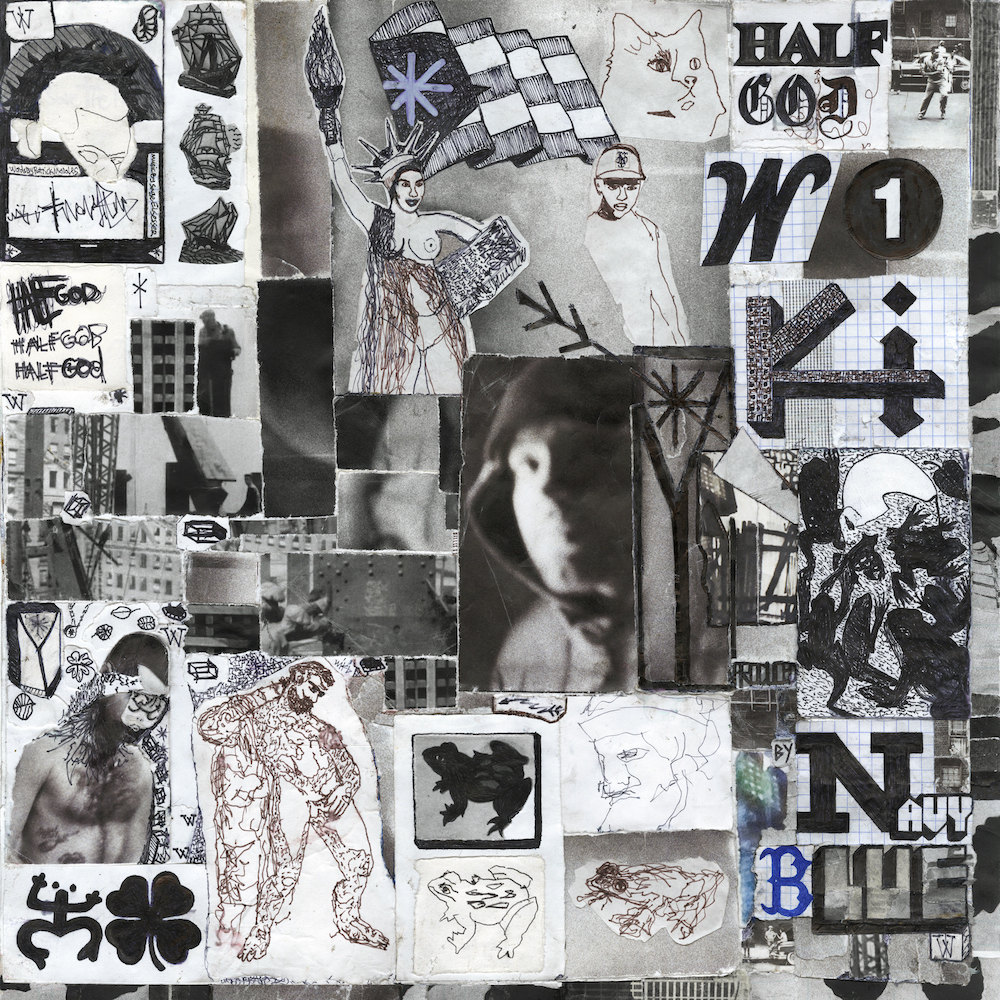
Wiki, Half God– American rapper and record producer Patrick G. Morales, aka Wiki, has produced an album that is in some wise a meditation, delivered in love but also hard honesty, on his native New York City. It’s also full of lyrics heavy on his life and feelings. The production by Navy Blue meanwhile keeps this potentially heavy material buoyed up by spare and clear grooves, and Wiki’s unadorned vocals also buoy things up.

Xenia Rubinos, Una Rosa– This is kind of weird! Some of it sounds like experimental electronic music, or perhaps a theremin-informed movie soundtrack, but then there’s quite a bit of balladeering and hip-hop dance music along the way. Sometimes all of these modes will appear in a single song. All of it informed by a wicked wit that shows up in the lyrics, vocal changes, and mix choices. Well worth a repeated listen!
Maybe
- BandGang Lonnie Bands, Hard 2 Kill– Low key music mix and vocal flow adds to the lyrics in delivering a slow steady sense of dread. In a way, it’s thoroughly and unremarkably stuck in the gangster subroutine, but stands out from the skillful way it’s put together.
- Boy Scouts, Wayfinder– Boy Scouts is the stage name of Oakland, California musician Taylor Vick. The fuzzy lo-fi sound, and lackadaisical undertow of vocals is low key, and sort of the same track to track, but with the emotionally charged and literate lyrics, it’s also affecting in the mood it creates and really pretty excellent.
- Brandi Carlile, In These Silent Days– From her debut on, I have liked Brandi Carlile a lot. This is a fine album (I don’t think she can do a bad one). But I’m not sure it’s up to her best, or the other bests of the year. Maybe?
- Dean Wareham, I Have Nothing to Say to the Mayor of LA– The intelligence of the lyrics, dry humor, and world-weariness of the vocals is a wonderful thing. The music is deliberately muted, and this low-key tone and lack of variability is perhaps the thing holding it back from the”yes” category.
- Deerhoof, Actually, You Can– I do love me some Deerhoof! Reville and Apple O are two of my favorite albums of the 00s, and I’ve seen them live several times, which has never been less than great. The opening song is about vegetables and a refrigerator, and every song sounds like a power-pop song exploded and was reassembled. This is lacking some of the surging moments and repeated structure of their best albums, but is a pretty worthy outing, all in all.
- Ducks Ltd., Modern Fiction– This sounds like some hi-energy alt 80s jangle pop. That, and the name, are both good ways to dispose me favorably. Time capsule sound from this Toronto band, but darned if it isn’t well done!
- Hayes Carll, You Get it All– Vocally and musically this Texas singer-songwriter delivers- sometimes in an outlaw country vein, sometimes bluegrass-tinged, or blues, sometimes 70s pop country. But his lyrical edge and wit take it up another notch. There are a few tracks where it falls flat, sound too produced and/or dips into cliché, which is a shame, because minus, say, 2-3 tracks here, it would have been an enthusiastic yes.
- HONNE, Let’s Just Say the World Ended a Week From Now, What Would You Do?– I mean it’s autotuned too much, and it’s “just” a good pop album. But a good pop album that never lets you down for a single track is really good! Just enough energy, just enough interesting touches in the electronic mix, some wit in the lyrics, and melody and hooks.
- Jason Isbell, Georgia Blue– His previous album, Reunions, was one of my favorites of 2020. This is the result of an election dare, but an inspired one- he campaigned for Biden in Georgia and said if Joe won, Jason would do an album covering songs from Georgia artists. He pulls the covers from a variety of sources, and plays them to his and his band’s strengths, concentrating on the instrumental side and pulling in guest vocalists. It’s so well done that even the 12-minute Allman Brothers cover doesn’t throw me off.
- Jerry Cantrell, Brighten– It is still the 90s on this Alice in Chains alum’s album. I miss the 90s. And it’s hard to find anything this album is doing wrong- it would have made a great mid/late 90s “grunge is no longer fresh and new but this still works” album. The dated sound now is the source of my reservation.
- Kevin Morby, A Night at the Little Los Angeles– These are 4-track demos from this Brooklyn-based singer/songwriter’s 2020 album Sundowner. He originally hails from Texas and Missouri, and works in a very Dylan/Springsteen “haunted-sounding songs of troubled lives” space, and the spare four-track setting enhances it. The second-half sequencing sometimes dissipates the energy it was otherwise building up, which is the only thing that got it docked from “yes”.
- Kurt Elling, Super Blue– I am informed he’s the “standout male jazz vocalist of our age”. He does have a great voice, and his vocal phrasing is really interesting. He’s paired here with jazz guitarist Charlie Hunter, who’s funky, driving tracks I appreciate. Between these two forces and some literate, imagistic lyrics, my interest got carried along the whole way through. Call me crazy, but I think this is a strong maybe. See, I can like a jazz album! I can!
- Lily Koningsberg, Lily We Need to Talk Now– Koningsberg is one of the members of Palberta, whose album Palberta5000 made my “maybe” list earlier this year. She’s great here- bringing a mix of lo-fi dance and rock, with propulsive music, crunchy guitar, songs that remember melody, and vocals and lyrics that are smart and true. If it wasn’t for a few dreamy keyboard pieces that seem out of joint with everything else, this would have been an automatic yes.
- Mastodon, Hushed and Grim– I do love me some Mastodon! This has their characteristic moments of both heaviness (nobody current does heavy better), orchestral flourish, and musical experimentation (one track has practically a disco vibe in parts) as they explore themes of grief, centering on the death of their long-time manager. While full of range, this definitely leans more on the prog/arena rock side, and it does run for an hour and a half. Albeit a much more accessible hour and a half than their concept albums sometimes manage. So I’m not entirely sure it hangs together at that length, but it also brings a lot to the table.
- Orquesta Akokán, 16 Rayos– Orquesta Akokán is a multi-generational big band of top musicians from Cuba and New York’s Latin music scene. Their sound puts together mambo, other related musical styles, and Latin jazz. Despite the language barrier, it’s a winning and vigorous mix!
- Papur Wal, Amser Mynd Adra– driving upbeat rock with great hooks and a pop feeling. A lot of the album is in Welsh, which definitely is a barrier, but the music is so darn accessible!
- Parquet Courts, Sympathy For Life– What’s wrong with a nice, energetic rock album that evokes a range of eras and styles, combining solid playing with a sense of melody? Nothing! This New York City band is not going to cure cancer, they’re not doing something incredibly profound here, they’re just making a solid rock album with range. Amen! It was headed straight toward “yes” until the questionable decision to close on a six-minute long slow song.
- Pia Fraus, Now You Know It Still Feels the Same– The descriptor “Estonian noise pop group re-records their 20 year old debut with everything they’re capable of now” pretty much had me pre-hooked. It was going really well- the kind of fuzzy noise that makes you take notice but also remembers melody- until about halfway through, when it decisively slide into overly dreamy gauzy territory for two songs in a row. So, it would be a “yes” if it dropped two tracks=maybe?
- Sam Fender, Seventeen Going Under– This album by a UK musician is a well-produced, varied, pop album hiding a lyrically and emotionally deep introspective look back at childhood memories. The anthemic feeling as he tackles this material reminds me of Springsteen even though musically it has more in common with 80s synth pop and the more orchestral/bombastic ends of 80s alt. It ends on a somewhat somber note, and the smoothness sometimes feels a little deadening, but then again the smoothness is the very thing that disguises, while also delivering, the heaviness of what it’s doing.
- The Lathums, How Beautiful Life Can Be– Brings to mind 80s jangle pop. I personally kept veering between “this sounds a little paint by numbers” and “this is a masterful evocation of that sound”. So I think, by definition, we land at “maybe”.
- Tony Bennett/Lady Gaga, Love For Sale– There’s a lot that can go right here- two great vocal performers, classic Cole Porter material. This kind of thing can also go wrong by feeling like a gimmick, or hewing too exactly to the originals, leaving no room for surprise or discovery. In this case, the stuff that can go right does, and if the versions are a little on the conservative side, it’s musically lively, and there’s a chemistry between them that works. Perhaps not new and different enough to be a screaming ‘yes”, but worthwhile.
- Tori Amos, Ocean to Ocean– There’s no such thing as a bad Tori Amos album, only those that are more focused and musically interesting than the merely “good” others. This is subtle on the musical side (but with depths in the subtlety), but is thematically tied together with the energy of quarantine and isolation and the tides of the sea, which ends up being lyrically rich and suggestive.
No
- Ali Shaheed Muhammad/Adrian Younge, Instrumentals JID009– All instrumental is a tough sell for me. Jazz, well, I try. Put the two together, we’re probably headed for a “no”.
- Andrew Leahey & the Homestead, American Static, Vol. 1– Andrew Leahey is a master of a certain era/spirit of Americana- 80s heartland rock, but with a 2000s indie rock polish. As befits a master, it is well done, but it feels a little too smooth and prefab along the way. I think there’s a version of this album just a pinch less finely polished and more unleashed that would have worked really well.
- April Magazine, If the Ceiling Were a Kite, Vol. 1– Dreamy and jangly, which is a good way to get my attention, but it ended up too muted and same track to track.
- Aquaserge, The Possibility of a New Work for Aquaserge– French art collective making music kind of like you might imagine a French art collective making.
- audiobooks, Astro Tough– audiobooks is a duo made up of vocalist/visual artist Evangeline Ling and David Wrench — who has a deeply impressive resume as a producer/mixer. They’ve got some electronic dance music going here, clever effects, dark undertone, understated vocals, and narratives that spin dense stories of scenes from life. Somewhere in all this is enough sense of melody, refrain, and song structure to propel it along. It was really doing well despite not being total coherent, but ended with such a low-energy final track that it kind of deflated.
- BADBADNOTGOOD, Talk Memory– This Canadian instrumental group’s album sometimes sounds like electronic music, sometimes like straight out rock, sometimes a little jazzy. It’s skillfully done, but I don’t think it clears the hurdle to “year’s best” album.
- BeMyFiasco, Where I Left You– Top points for the name! Dallas-based Bianca Rodriguez courts a version of R&B harking back to the sleeker more sophisticated side of the 80s. It’s very well done, but a little too in a mellow groove to break out.
- BIG|BRAVE/The Body , Leaving None But Small Birds– It does it well, but it’s a little too “Celtic Fire Hour on Public Radio” for me.
- Black Dice, Mod Prog Sic– Experimental music duo from Brooklyn. It’s interesting, metallic in a good way, but a little too much “sound experiment” to totally work as an album in a lasting kind of way.
- Black Marble, Fast Idol– A nice moody electronic project by some nice Brooklyn musicians. It’s well done, but also not particularly better done than other similar things this year.
- Bremer/McCoy, Natten– Danish duo of Jonathan Bremer on acoustic bass and Morten McCoy on the keys and tape delay. This is very well-played instrumental music, but too in a neo-classical/jazz vein for me.
- Carolyn Wonderland, Tempting Fate– This blues singer from Texas, delivers good electric blues with a country flavor. It’s always fun and well done, and at its best it’s downright rollicking. But overall, I don’t know if it rises enough above the genre for “year’s best”.
- Circuit des Yeux, -io– Stage name of Chicago-based American musician Haley Fohr. The music is interesting in its orchestral swell and playing with rising tension, and the vocals are clear, but everything ends up a little too ethereal and abstract.
- Clinic, Fantasy Island– This English band first formed in the late 90s is doing a good, moody version of post-punk, but I don’t know that it’s better than a lot of other good, moody versions of post-punk I’ve heard this year.
- Coldplay, Music of the Spheres– Coldplay is one of those bands that I am confidently told I should like, and so I keep trying, but, alas. The framing space theme of this album is nice, and everything in it is well done. It’s well done in that Coldplay way, totally smooth, totally competent, but not much hint of real human feeling or musical vitality anywhere in the mix.
- Cradle of Filth, Existence is Futile– How’s that for a metal group and album name? They’re a well known quantity in metal circles, this being their thirteenth album. (Lucky 13!) They certainly do a good job of their mix of thrash and orchestral, infused by horror lyrics. Genre fans will have a good time here, but I’m not sure it’s doing anything new or different enough to reach year’s best, or accessible and coherent enough to justify the more than hour run time.
- Dar Williams, I’ll Meet You Here– As with Brandi Carlile above, Dar Williams is probably not capable of making a bad album. Some of the songs here are quite affecting, and all are never less that well-played and very literate. But it doesn’t come together as an album that rises above for the year as a whole.
- Dear Laika, Pluperfect Mind– Interesting, but also abstract and experimental in a way that’s hard to engage with at length. It is an impressive effort, though, considering that this U.K. based musician is only 23.
- Dinner, Dream Work– Dinner is Copenhagen-based Danish producer and singer Anders Rhedin. As befits the album name, it is shimmery and dreamy. Well instrumented, with a nice gauzy mood, but doesn’t beyond that.
- Domingæ, Ae– This sounds like the dissonant opening of a Pink Floyd song, only at album length.
- Dummy, Mandatory Enjoyment– Despite the name, this L.A. band is no Dummy. What they are is a smart purveyor of a combination of shoegaze, 70s electronic, and psychedelia that often has good, rocking momentum. And, whether or not it was mandatory, I enjoyed it a lot. The thing that’s keeping it from being a yes is the ethereal opening that’s out of tone with the rest, and the times it gets bogged down in a hazy psychedelic swirl for too long, dissipating the momentum.
- Duran Duran, Future Past– Reviewing a new Duran Duran album is an unexpected time warp, for sure. That being said, they’re sounding pretty good here. Kind of more in their late-80s mode, whereas I preferred early 80s, and it feels, as it always has, a little pre-fab, but few other people from that era are still putting out something this creditable.
- Ed Sheeran, =– Ed Sheeran is a UK hit-making machine, and you can certainly hear why here. It’s radio-friendly 2000s pop-rock par excellence. Please save me from it.
- Efterklang, Windflowers– Well-produced, pleasantly dreamy outing from this Danish indie rock band. It never really stands out or gets beyond a certain energy level.
- Elton John, The Lockdown Sessions– Elton John’s 30th studio album. I have made zero studio albums, so maybe I should just shut my mouth. And, to be fair, it has solid production and interesting mixes, a kaleidoscope of well-deployed “contemporary” guest stars, and some interesting covers. But, well, ultimately it doesn’t totally come together as an album, or as something that lands solidly in “good” late period Elton John territory. Competing with yourself is tough!
- ESP Summer, Kingdom of Heaven– The side project of musicians Ian Masters and Warn Defever attracted some notice with a (seemingly) one-off release in the 90s, and now they’re back more than twenty years later delivering this neo-psychedelic and dreamy outing. It’s interesting, especially on the two shorter tracks, but about half of it meanders very far afield.
- FINNEAS, Optimist– Like his sister, he’s a solid songwriter and performer (he’s Billie Ellish’s brother, and has produced a fair amount of her music as well). He tends more toward the conventional and less toward the soul-baring than she does though. I like things that are unconventional and soul-baring.
- Fire-Toolz, Eternal Home– The hour and a half run time had me on guard, and the mechanized screaming of the vocals in the opening didn’t help. It is kind of interesting, like a doom metal vocal on an otherwise cheery synth-jazz electronica, but a little too grating for way too long to work as an album.
- Full of Hell, Garden of Burning Apparitions– Maryland/Pennsylvania grindcore band, and man, it’s brutal from the get-go. Musically, I could have been totally on board with this relentless assault, but vocally, well, I’m a little old fashioned, to the extent that I like to understandably hear a lyric every once in a while.
- Good Morning, Barnyard– If you name your album “Barnyard” I’m preemptively rooting for you, and if your band name is “Good Morning”, between those two things I’m looking for some hi-energy ruckus. Instead Australian band Barnyard is doing something that sounds like 90s slow rock, with a twist of Modern Lovers. Not bad, but a little too all in one muted tone.
- Grouper, Shade– The opening is gorgeously fuzzy- it sounds like it was recorded on tape recorder off of AM radio. What comes next gets clearer than that, but is still on the gauzy lo-fi melody side. In the end, it’s a little too muted and indistinct track-to-track to work as an album at length.
- Hand Habits, Fun House– Hand Habits is the project of American studio musician and guitarist Meg Duffy. It’s richly instrumented, with strong mood and emotionally complex lyrics, but very musically muted. It’s this last factor that kept it from “yes” for me.
- Hayden Thorpe, Moondust for my Diamond– This English songwriter has produced something with synth sounds and swirling abstract lyrics that would have sounded pretty at home on alternative rock radio in the 80s or 90s. It’s not badly done, but also not internally distinguished much track to track.
- Helado Negro, Far In– Stage name of Roberto Carlos Lange, a Brooklyn-based first generation Ecuadorian-American. Somewhere between electronic and jazz and lounge, and well done, but a little too low key and fading into the background along the way.
- Hovvdy, True Love– Austin-based indie-pop duo, and this is shimmery and full, if ultimately too all in one tone song to song.
- James Blake, Friends That Break Your Heart– Smooth pop, high clear vocals, nice sound effects. Eh. This is a good example of something technically completely solid, but lacking an ounce of vitality or genuine feeling.
- Jaques Greene, ANTHO1– Canadian electronic musician, based in Toronto. A little too far on the spare, repetitive side of edm for me.
- Jarvis Cocker, Chansons d’Ennui Tip-Top– Solo album from founder/frontman of Britpop pioneers Pulp. A bit more particular than that though, in this case, 12 covers of classic French pop songs as a tie-in to the Wes Anderson film The French Dispatch. They’re well done, I think, but between the specificity of the form (French pop songs of a certain era) and the language barrier, it was hard for me to connect with it.
- Kacy Hill, Simple, Sweet, and Smiling– Kind of on the synthy side of dance. It’s not bad, but doesn’t stack up to the best things I’ve heard in that genre from the last year or two.
- Kedr Livanskiy, Liminal Soul– Russian electronic musician, singer-songwriter, record producer and DJ. That description had me curious, and this is well done, but a little ethereal and spare for my tastes. Plus, you know, being almost entirely in Russian. Though I did enjoy that!
- Kit Sebastian, Melodi– Kit Sebastian is a duo formed by Kit Martin and Merve Erdem, spread between Turkey and France. As one might expect from all of that, it has a swinging global sound. Kind of jazzy, kind of funky, kind of a lot of vocals in Turkish. Not my cup of tea, but not at all unpleasant.
- La Luz, La Luz– This all-female group from Los Angeles is known for working the vein of surf music, with a dash of psychedelia and 60s harmonies (i.e. doo wop, girl groups). This is in that vein, surfy and dreamy. Everything about it is well done, but leaning more heavily on the dreamy side than the propulsive side makes it hard to sustain. A real shame, because I love a lot of things about it!
- Lady A, What a Song Can Do– I mean, they’re good. They’re solid. They’re well produced. It just isn’t big on musical dynamism or real human feeling.
- Lala, I Want the Door to Open– Lala is the indie rock project of Chicago-based songwriter Lillie West who I’m assuming, along with Kanye West, is my cousin. This is somewhere in the bracket between teenish indie pop and something more electronic and experimental. Ultimately it ends up feeling like it’s not quite there in terms of album coherence/impact, but definitely a talent worth keeping an eye on.
- Le Ren, Leftovers– Twangy, plucky acoustic-flavored singer-songwriter, with emotionally bare lyrics. It was really well done, but too all in one low-key groove to work at album length.
- Lone, Always Inside Your Head– Swirling beats, ethereal keyboards, vaguely disembodied lyrics. Please save me.
- Magdalena Bay, Mercurial World– This sounds like an 80s dance remix, with traces of video game soundtrack. It’s good high-energy fun, but it doesn’t really get beyond that.
- Marissa Nadler, The Path of the Clouds– Unbeknownst to me, Marissa Nadler has apparently been recording and touring for twenty years now. Shame on me for not knowing, and that definitely explains the depth of songwriting and presence she has here. It really is masterful, but the somber and muted tone musically and vocally eventually anchors the album down, even if it never quite drags it under.
- Matthew Stevens, Pittsburgh– As jazz guitar odes to Pittsburgh go, this is a fine one.
- Maxo Kream, Weight of the World– At the outset, I thought this album was going the gangster cliché route, but then was pleasantly surprised by its wit and deeper meditations on street life (and crisp vocal delivery plus great sampling/production). However, as it wore on, it tipped back into cliché. Alas!
- Maya Jane Coles, Night Creature– The more ethereal easy listening end of electronic. Nah.
- Meek Mill, Expensive Pain– Rapid-fire hip-hop, great production, with a good, distinctive voice, but more gangster clichés and autotune than I care for. However, it also includes reflections on the limits of street life, and a desire for something more. The balance of plusses and minuses kept me listening for quite a while, but eventually the minuses took it.
- Melvins, Five-Legged Dog– “The Melvins do an acoustic album” is something that could go either way, given how outside of their usual wheelhouse it is. That part actually goes pretty well, the setting brings out the inherent mix of melody and menace in their music in a new light. A two and a half hour acoustic album, well… There is a 40-50 minute version of this album that really would have been a “yes”, but as is, it’s a good outing for Melvins fanatics. Of which I am one!
- Mess Esque, Mess Esque– Collaboration between indie rockers Helen Franzmann and Mick Turner. It sets a fine mellow mood, with vocals weaving in and out of dreamy waves of guitar. But it remains a little too indistinct to really catch fire.
- Ministry, Moral Hygiene– Ministry is one of those bands that I kind of vaguely thought maybe wasn’t around anymore. They are! They’re even in pretty good form here, and I appreciate the heaviness and the political bent, but it’s a little all too in one tone to really rise above. The Jello Biafra appearance and a Stooges cover are welcome, though.
- My Morning Jacket, My Morning Jacket– They’re sort of one of the signature bands of the 2000s, and one would not want to be on the side of arguing against them being good. But this whole thing sounds too slick, and emotionally flat to me. It’s fine, in fact in many ways it’s very good, but I just can’t picture a lot of people particularly remembering it or turning to it a few years from now.
- Nightmares on Wax, Shoutout! To Freedom…- About 2/3 through it really catches fire into something interesting, but until then it’s spent a lot of time as a groovy easy listening international electronic outing. If it had started in with some vocals and lyrics and content earlier, it might have been saved!
- Nubya Garcia, Source: We Move– This is a set of remixes from her 2020 album Source, which I listened to as part of my blog series reviewing that year. These mixes certainly do liven up those tracks, which had been at their best when they got out of a “smooth and mellow jazz” vein, but the original didn’t make into my top 20 for 2020, and this isn’t making it into my 21 for 2021.
- Petitie Amie, Petitie Amie– Pleasant French pop, sometimes does some quite interesting musical things, but as a whole doesn’t really stand out.
- PinkPantheress, to hell with it– English singer, songwriter and record producer who first broke out on TikTok. It’s nice enough, though way too autotuned, and doesn’t really stand out.
- Pistol Annies, Hell of a Holiday– Miranda Lambert’s side project with two other country music songwriters. I like the girl power, and it’s solidly done, but a little formulaic. But she did already end up in my “yes” column for the year with another side project, The Marfa Tapes, so that goes to show that Blake Shelton can suck it.
- Porches, All Day Gentle Hold !– Lo-fi indie synth pop isn’t a bad way to go, and there are some songs on here that are really fun and affecting. But for the most part, it doesn’t add up as an album.
- Reb Fountain, Iris– Somber clear vocals and incantory poetic lyrics. That’s the upside. The downside is that musically it’s too muted and smooth to really land and sustain itself at album length.
- Ross From Friends, Tread– British DJ/electronic musician, and associate of DJ Seinfeld, which goes to show you what jokers they are with their names. It’s fine as such things go, but a little abstract and “low content”.
- RP Boo, Established!– Chicago-based electronic musician, producer and DJ known as one of the originators of the footwork genre during the 90s. What’s here is a little too on the echoey/repetitive side of techno to work at album length.
- Sable, Japanese Breakfast– I guess if video game soundtracks are a thing, we need to review them. Hour and 36 minute soundtracks, though, whatever they’re for, are a bit much. And this is all way too ethereal to work at that length.
- Sam Evian, Time to Melt– It’s mellow, and groovy, and jazzy. I can’t prove that it’s ever killed anyone, but I have my suspicions.
- Santana, Blessings and Miracles– I mean, it’s not a bad Santana album. Can that even happen? But it’s also not an especially new or different one, kind of continuing the “duets with more contemporary pop stars” approach that he’s done for a while.
- Screensaver, Expressions of Interest– Some nervy and well-done post-punk with more than a trace of British 80s alt and industrial. But it doesn’t really reach above to something that stands out.
- Shannon Lay, Geist– An acoustic singer-songwriter album that has solid playing, vocals, and lyrics, but doesn’t really stand out from the pack of similar musicians.
- Soshi Takeda, Floating Mountains– Vaguely new agey synth background music.
- Sue Foley, Pinky’s Blues– Canadian blues musician, and pinky is her signature guitar. This is very strong southern blues, but doesn’t feel like it gets a lot beyond the genre or latches on to something especially authentic.
- The Convenience, Accelerator– This album by a duo of New Orleans-based (but originally hailing from New Jersey and San Francisco) indie musicians is full of sounds of the quirkier/poppier side of new wave, and indeed of 80s pop in general. That is fun, and well done, but never really adds up to a compelling album.
- The Doobie Brothers, Liberte– As with several other things we’ve gotten up to, a new Doobie Brothers album is not something I expected to see in 2021. One should note they still tour with Michael McDonald, but they don’t record with him these days, so this is the three core members of the original group. It’s well done, and has some classic sounding moments, but overall, it has the blandly overproduced sound of “classic rock folks issue contemporary album”.
- The Pineapple Thief, Nothing But The Truth– British progressive rock band, started in 1999. Right off, I find myself thinking, “Did the world really need new prog rock bands in 1999”? And then I smack into the hour and a half run time, which is an inherently tough thing to justify. It could at least have been intricate and weird and unwieldy. Instead it’s kind of blandly pop-produced. No, just no.
- The Record Company, Play Loud– This rock band from Los Angeles sounds kind of like they’re doing a Black keys impression. Sometimes it’s a really good impression, and I’m almost sold on it, but then it goes a bit prefab and soulless and I’m not.
- The Specials, Protest Songs 1924-2012– The Specials cover almost a century’s worth of protest songs in different veins. They may not be as inspired musically as they were in the late 70s and early 80s, but they’re solidly, dependably good. Some of the material suits their strengths better than others, and when it does, it really shines. Other times it’s merely “good”. So, it doesn’t add up to great album, but it is worthwhile.
- The War on Drugs, I Don’t Live Here Anymore– People keep telling me I should like the War on Drugs, and I’ve tried. I really have! It’s well produced music, establishes a mood, at moments reminds me of Dylan. But it’s also a little too smooth, radio-packaged, and slickly produced. I just can’t find something really authentic enough in it to latch onto and carry me throughout the length of an album.
- Theon Cross, Intra-I– This is at its best when it gets really in to the dub side, and less good when it does a more typical kind of electronic music. Between the back and forth, it just doesn’t catch on as a coherent album. Though it is definitely notable for being led by a tuba player. We could use more tuba-based albums!
- Thrice, Horizons/East– American rock band from Irvine, California, formed in 1998. It sounds like a lot of 2000s radio-friendly American rock. Urck.
- Tirzah, Colourgrade– English singer and songwriter, this is very interesting electronic experimentation, but spends about half its time on the grating edge of hard to listen to.
- Toby Keith, Peso in My Pocket– Toby Keith has been a reliable country hit-maker for decades, and this album feels very reliable. It kind of skates the edge between courting cliché and seeming classic. As a result, I was riding the edge with it, but the last track “Happy Birthday America” tipped me over- I can read a collection of right wing talking points online anytime, I don’t need them in my music.
- Tom Morello, The Atlas Underground Fire– The opening tracks mix of some promising rock with some nonsense autotune sound effects was concerning. The follow-up cover of AC/DC with Bruce Springsteen and Eddie Vedder guest appearances is great! From there we’re on firmer and more expected ground based on Morello’s history with Rage Against the Machine and Audioslave. Between the false start, the occasional dip back into too much autotune, and the fact that it’s expected rather than extraordinary, though, it doesn’t fully add up.
- Tonstartssbandht, Petunia– According to Wikipedia “Tonstartssbandht is an American psychedelic, noise rock band consisting of brothers Andy and Edwin White, based in Orlando and New York City”. I think that’s right, and I did hear the psychedelia, but in an extended groovy kind of way that honestly had me feeling like I was listening to a jam band. Jam bands are all well and good. In their proper place. In proper proportion.
- Topdown Dialectic, Vol. 3– To quote Bandcamp: “The dissociative electronic designs of incognito American producer Topdown Dialectic originated as a set of software strategies, rather than compositions”. That gives you a pretty good idea of what’s happening here.
- Trivium, In the Court of the Dragon– I can see why metal started going with orchestral concept albums. It suits the genre and its beautiful ability to get overblown. However, we may have reached a point where it would be okay if not every metal act does it. When they’re just getting down to playing, this is pretty good. When they’re doing ponderous intros and setting up story…
- Twelve Foot Ninja, Vengeance– I mean, there’s the band name, there’s the album name, there’s the cover depicting an arcade game breaking through a blasted desolate landscape. All of this gives you a pretty accurate sense of what you’re in for from this Australian band- thrash metal mixed with operatic moments, and leavened by a heavy dose of humor and some unexpected musical choices. It doesn’t quite come together, but it is fun!
- Vanishing Twin, Oookii Gekkou– It’s interesting, but too gauzy, abstract, and easy listening to really take hold.
- Various Artists, The Metallica Blacklist– “Artists contribute covers of a classic album” is a noble formula, and Metallica’s 1991 Black Album is a worthy target for such homage. More than four hours of covers though (each song gets five or more) is, well, long. My recommendation is to check out the list of songs and 53 different artists covering them, and listen to the ones that particularly intrigue you, because there are many gems to be found, even if it isn’t listenable as an album as a whole. One of the things the variety and quality of covers does do, though, is really spotlight why that album, and Metallica in general, works so well- behind the thunder and the darkness, there’s a core of emotional complexity and even vulnerability in these songs.
- Xeno & Oaklander, Vi/deo– This electronic music duo has delivered something spare and unusual enough that it held my attention longer than this genre often does, but ultimately it didn’t stick.
- Yikii, Crimson Poem– This album by Chinese multi-genre artist Yikii sounds like neo-classical neo-electronic music made by a haunted doll. But I mean, really well made! It’s a little too outré for regular listening, but it is genuinely eerie and unsettling.
- Zac Brown/Zac Brown Band, The Comeback– This is absolutely as good as rock-friendly pop country gets. It’s fine if you like that kind of thing, admirable even, but it’s not up to the best of the year, or the best country of the year.
And so we conclude October, with a whole day in November to spare. Crunch time is coming up, but we’ve come too far to turn back now! See you soon for November…
















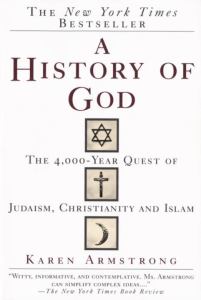 A History of God (Karen Armstrong)– Because Christian Fundamentalism is such a strong voice in our current culture wars (as well as the boogeyman of Islamic Fundamentalism), it can be easy to equate Fundamentalism with religious belief itself, and to think that it has always been so. One of the very useful things I got from Karen Armstrong’s survey of 4,000 years of Jewish, Christian & Muslim thought about God is just how rich a variety of viewpoints there have been in all three religions, and what an outlier 20th/21st century Fundamentalism is. Traditional religion turns out to have never been all one thing, and God is an idea that continues to evolve as all three faiths grapple with it.
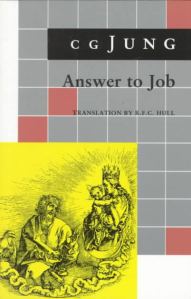 Answer to Job (Carl Jung)– Jung starts by looking at the Book of Job, and the thundering non-answer God gives Job when questioned about suffering. He then presents the Gospels as God “reconsidering” his answer, with an outpouring of love and self-sacrifice to relive our suffering. However, this is too abrupt a shift from the sometimes judgmental God of the Old Testament, leaving an unintegrated remainder of the capacity for wrath. And thus we get the Book of Revelation… This fascinating examination of the Bible in the context of psychology and mythology opens up whole new ways to understand scripture.
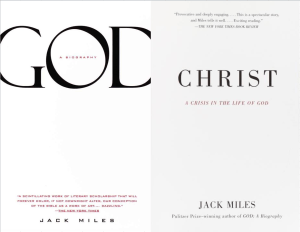 God : A Biography, Christ: A Crisis in the Life of God (Jack Miles)– In many ways, Miles two books follow up on this approach. But Miles instead approaches scripture from the vantage point of literary criticism, examining what kind of character God, as presented in the Bible, is. The first volume covers the troubled evolution of God’s character in the Old Testament, and the second presents the New Testament as a response to the crisis that God’s character comes to, which is radically resolved through incarnation and sacrifice. Again, coming at things from a fresh direction can break open how the story can reach us today, and what it can mean.
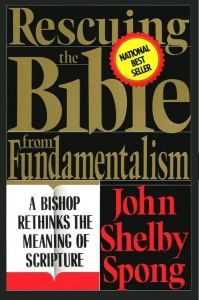 Rescuing the Bible from Fundamentalism: A Bishop Rethinks the Meaning of Scripture (John Shelby Spong)– A (now retired) Episcopalian Bishop, Spong made it his life’s work to consider what scripture can mean in the age of science. He points out that a literal understanding as modern Fundamentalism thinks of it is actually a very modern phenomenon, and would have made no sense, for example, to medieval Jewish Rabbis, or classic theologians like St. Augustine. The Bible, he contends, can and should be understood in its original cultural and historical setting, and considered in light of what its essential meaning is in our current setting.
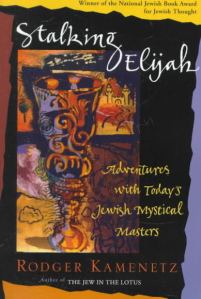 Stalking Elijah (Rodger Kamenetz)– In his earlier book, The Jew in the Lotus, Kamenetz described the journey from his Jewish upbringing to Buddhism. After it came out, the Dalai Lama challenged his to search for practices of mindfullness in his own spiritual tradition. His resulting talks with several contemporary Jewish mystics uncovers a lively and longstanding tradition of mystical contemplation in Judaism. It turns out that being a Jew and a Buddhist aren’t necessarily as different as one might think…
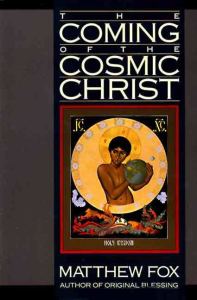 The Coming of the Cosmic Christ (Matthew Fox)– Fox, like Spong, sought to bring new understanding to the church from within, but met with a little more resistance, ultimately resulting in him being expelled as a priest from the Dominican Order of the Catholic Church. One of the key points of the schism was his rejection of the idea of “original sin”, instead focusing on the original blessing of creation, and how a church focused on this can atone for its own sins against women, the unempowered, other faiths, etc. and develop an ecologically-centric, globally-minded and gender-balanced idea of what Christ represents. As Fox says, “The power of native religions to regenerate Christianity and to reconnect the old religion with the prophetic Good News of the Gospels has yet to be tapped.”
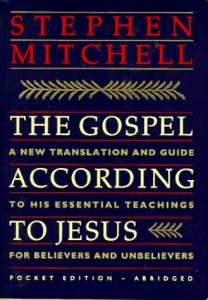 The Gospel According to Jesus (Stephen Mitchell)– Starting in the 19th Century and accelerating into the 20th, there has been a lot of scholarship based on archaeology, literary study and the latest discoveries of ancient texts on who the historical Jesus was, and what his original teachings may have been vs. what is later accretion by the Church as it grew. Mitchell wrote this book in an attempt to make that scholarship more available to a lay-audience. He also puts Jesus’ teachings in the context of spiritual traditions from around the world. This book had a profound impact on me when I first read it, unlocking a vitality and compassion in the Gospel message that is all too easily obscured by dogma and history at this point.
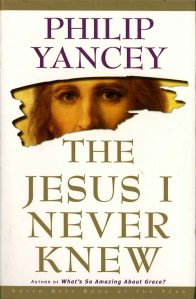 The Jesus I Never Knew (Philip Yancey)– Yancey’s book actually does something very similar, but from a diametrically opposite direction. Yancey is a mainstream Evangelical author, but he takes the gospel message down to its fundamentals, and lets every challenging thing that Jesus asked of his followers stand in sharp relief. Again, as with Mitchell, this has a way of cutting through history and dogma, and re-revealing how radical the message of Jesus really was, and remains today.
 The Left Hand of God: a Biography of the Holy Spirit (Adolf Holl)– In the fine tradition of Fox, Holl is a Catholic writer and theologian who served as a priest and professor of Theology for almost 20 years until he was dismissed due to conflicts with church authorities. They may dismiss him, but I found his biography of the Holy Spirit to be very arresting. He looks at the third “person” of the traditional Christian Trinity through its affect on a variety of inspired figures throughout history, including Catholic saints, founders of alternate religions, U.S. Pentecostals and Malcom X. This approach leaves the Spirit as it should be, very much alive and active in the world.
 Signal to Noise (Silvia Moreno-Garcia) Book clubs are good. Geeks are good. Speculative Fiction is good. For all these reasons, and including the lovely people involved, the
  Nonzero (Robert Wright) At any given time, I try to rotate between something from fiction, nonfiction and spiritual (that tricky category that straddles both realms). I’m currently at the non-fiction stage in the rotation, and so am reading this, Robert Wright’s exploration of the “meta-story” of social evolution. It’s been on my list for a long time, ever since I saw it on a list of books former President Clinton was reading some time in the early 2000s. After I finished weeping thinking of “reading” in connection with the then-current occupant of the White House, I made a note to check it out. It’s been well worth it. So far, I’m in the section that reviews the “arrow” of social/technological/economic development running through history. The very hopeful thesis is that, despite the vagaries of history and temporary ups and downs, there’s an underlying trend toward larger scale, increasingly complex societies based on the “nonzero” game of cooperation. I’m really interested in getting to the part where Wright speculates about, based on where we’ve been, where we’re going next.
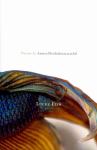 Lucky Fish (Aimee Nezhukumatathil) I also have some poetry in the hopper at any given time. On the “new school” side, I’m currently reading the latest volume by one of my favorite contemporary poets, Aimee Nezhukumatathil. Her work is a wonderment of connections between personal and global history, the natural world, the interior world, and popular culture. Illuminated throughout by wit and compassion. And she is, incidentally, the featured poet in the forthcoming annual print edition of
 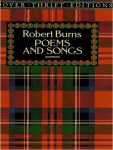 Poems and Songs (Robert Burns) And kicking it “old school” on the poetry side, I have this collection by Robert Burns going. If 18th hunner years romantic bards writing in scots sassenach wi’ wit ‘n’ verve ur yer thing, ye micht wantae check this oot. Quite seriously, besides the delight of looking up new words in the glossary in back, the lyrical nature of his verse is second to none. And you don’t just have to take my word for it- Steinbeck, J.D. Salinger and Bob Dylan are all pretty fond of him as well.
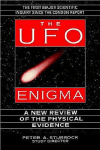 The UFO Enigma (Peter Sturrock) Ever since I was a wee lad, I’ve liked my unexplained phenomenon, and none more so than UFOs. It’s a subject that’s been so thoroughly ridiculed at this point that it’s difficult to discuss seriously. Speaking of signal-to-noise, around 95% of UFO reports are clearly noise- low-quality reports, misidentifications, hoaxes, etc. But there remains a residue of around 5% “signal” that is genuinely baffling and highly unknown to contemporary science. This book is a presentation of the proceedings of a scientific panel brought together by Laurance Rockefeller in 1997 to examine some of the “best evidence” that investigators had to present. I’m looking forward to reading their conclusions, because the truth is still out there…
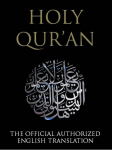 Holy Qur’an Were we just talking about truth? About 1.6 billion people world-wide consider this to be the most perfect version of a religion that has been continually revealed to humankind throughout history, starting with the Jews, and then the Christians, and culminating here. As a syncretic panentheist I don’t really do exclusive claims to truth. But I do respect spiritual traditions from around the world and throughout history, so I’m almost always reading somebody’s scripture.
 If You meet the Buddha on the Road, Kill Him! (Sheldon Kopp) Take that, scriptures! Sheldon Kopp uses the language of psychotherapy, mythology and numerous religious traditions to highlight what he sees as a universal human journey from looking for the answer from someone else to realizing that it is only found within. This is my “car book”, I read a page or two to provide myself with a moment of zen before heading in to the office.
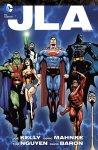 JLA Vol. 6 (Joe Kelly, Doug Mahnke, Tom Nguyen, David Baron) On the topic of religion and myths, comics writer Grant Morrison thinks superheroes are our contemporary legends. I usually have a comics collection on my Nook for night-time reading before bed, and I couldn’t be happier than with this one. Though I’ll always be a Marvel boy at heart, things don’t get any bigger or more legendary than the heaviest hitters from DC Comics, the Justice League.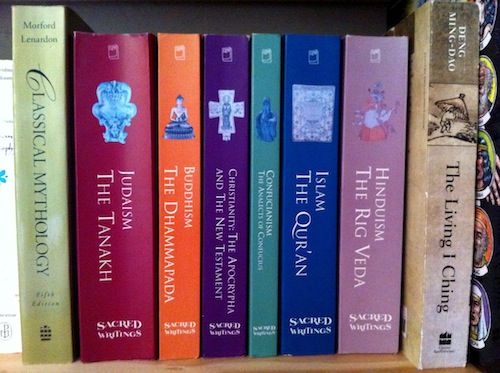
 The Big Book of Alcoholics Anonymous– I first encountered this book at the age of 29, by which point addictive behaviors of various stripes had made my life completely unmanageable. Up until then, I had perused spirituality in an intellectual way. What I lacked was what this book provided, and I could no longer do without: a practical, step-by-step (all puns intended) guide to how to put spiritual principles in to practice in everyday living. Yes the language is a little outdated now (it first came out in 1935). But the common-sense and extremely low-dogma approach to spirituality is as relevant as ever. Over the years, I have heard Christian fundamentalists dismiss its concept of choosing a Higher Power of your own understanding as being too wishy-washy, and Atheist fundamentalists dismiss it as being Christian propaganda. Anything that can stay in a sensible middle of both extremes must be on to something!
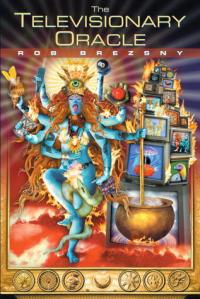 The Televisionary Oracle– Some of you may be familiar with Rob Brezsny from his irreverent, fiercely intelligent, and radically freedom-insistent
 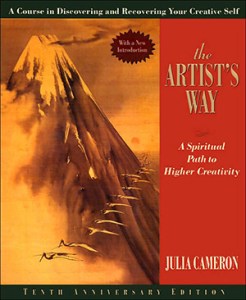 The Artist’s Way– If the Big Book helped show me how to practically apply spiritual principles to my life, The Artists’ Way did something similar to the most important part of my life, my creativity. This was also after my divorce, as I was finally getting back to writing, after years away from it. Julia Cameron’s credo in this book is that, “God is an artist. So are we. And we can cooperate with each other. Our creative dreams and longings do come from a divine source, not from the human ego.” But this idea is then put into action through a twelve-week course of daily exercises that allow the reader to re-connect to their creativity, and connect their creativity to their spirituality, in a thoroughly non-denominational way that draws from multiple sources. I’ve been through it twice, and each time it’s turbo-charged my creative process, and led me in new directions. I haven’t worked through it in ten years at this point, so it may be time to do it again…
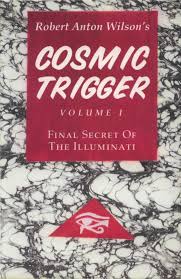 Cosmic Trigger 1: The Final Secret of the Illuminati– Running in parallel to my lifelong interest in spirituality has been an equally lifelong interest in the paranormal and conspiracy theories. As a kid, I literally kept files of clippings and photocopies of articles on unexplained phenomenon- I recall UFOs, ghosts, ESP, Bigfoot, the Loch Ness Monster and several other topics each having their own file. I’m pretty sure Chris Carter owes me some kind of copyright infringement settlement. But what I’m actually here to talk about is how writer/philosopher/maverick Robert Anton Wilson spent his life tuned in to the intersection of conspiracy theories, the paranormal, mysticism, science and religion. And from that, he produced (among many other things) this delightful volume that asserts nothing, implies everything, and encourages the reader to keep an open mind. I’m basically the perfect target audience for this book, and upon reading it in my mid-30s, the paranoia that is the birthright of Gen-Xers like myself somehow turned to profound amusement, and I’ve never looked at things in quite the same way again.
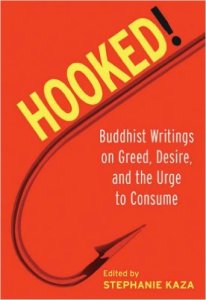 Hooked: Buddhist Writings on Greed, Desire, and the Urge to Consume– This book is actually a collection of essays that addresses the unrest without (consumer culture, capitalist excess, environmental degradation) and links it to the unrest within (addictions, greed, spiritual dissatisfaction). It turns out that Buddhism has been keyed in to this essential human difficulty in experiencing “enough” the whole time, and the voices collected in this volume have a lot to say about possible ways forward through our modern dilemma. Reading this as I approached 40 really helped me see where my decades-long interest in Buddhism could directly speak to both my internal unrest and the unrest of the world whose future I increasingly fear for. In a dark age, it’s important to remember that there are deeper forces in the world, and there’s a chance that our karma may be in the process of working itself out.
 Chris LaMay-West