Tag Archives: hiphop

50 Years of Hip Hop Album Review: Straight Outta Compton, It Takes a Nation of Millions to Hold Us Back

Last year was the 50th anniversary of hip hop, and in honor of this anniversary, the idea bloomed in my mind that I should review the top 50 albums of that 50 years. As I crunched together a list from various sources, 50 proved to be too restrictive- many of the classics were getting squeezed out. So, to make a little more room, I opted for 100 albums, two for each of hip hop’s 50 years.

For its formative years, hip hop was a live entertainment form, with the first recorded songs not emerging until 1979, and the first albums in 1980. So my review will cover 1980-2023, with 50 posts of two albums each. The only ground rule I made for myself (besides looking for 2×50, aka 100, albums that were widely well-regarded) was that I had to have at least one from each year. As you’ll see by and by, some years get multiple albums, but since we have 100 spots for 43 years, it tends to all work out.

*June 2024 addendum: Due to some medical situations, I took a three+ month hiatus from blogging. It’s unlikely I’ll finish this series this year. But I’m back at it, and I won’t mind extending into 2025 if you don’t!*

And with that, let’s embark on our next installment!

N.W.A, Straight Outta Compton (1988)– With this installment, we’re a quarter of the way through with the review, and both entries here are all kind of momentous. Though there were earlier examples (like Boogie Down Productions first album) this album is without a doubt the cornerstone of gangsta rap, and the beginnings of real influence for the L.A. rap scene. It’s also a new high point for furiously political hip hop. And a messy contradiction- the album criticizes the system, but also revels in the violence on the street, is full of messages of uplifiting pride, and also truly awful misogyny. But the mess is never inauthentic, backing up the group’s contention that they were doing “reality rap”. Other things that stand out to me listening to it now are the often surprising lightness and humor of the mix and lyrics, the early rumblings of the g-funk style of Dr. Dre, and also an appreciation for how great a producer Eazy-E was despite Dre’s subsequent ascendance. Every which way, the influence of this album looms large, even more remarkably given that it was recorded in six weeks for just $12 thousand.

Public Enemy, It Takes a Nation of Millions to Hold Us Back (1988)- If Straight Outta Compton was noteworthy for its explicitly political stance, this album, and indeed the entire career of Public Enemy, is what really makes it clear that hip hop had matured into a fearsome engine of social criticism by 1988. And musically, lyrically, and vocally “fearsome” remains a good description. The density of the mix, heavy metallic drive of the musical and vocal flow, and the clarity of intelligent fury in the lyrics all work perfectly together. All of this is no accident- the group specifically set out to make a hip hop equivalent to Marvin Gaye’s What’s Going On, they were looking for a higher tempo that would better suit their live shows than their debut album, and producer Hank Shocklee developed a sample-dense “wall of noise” production style. In many ways, this album and N.W.A’s were, and remain, more rock than any rock of the era was. One other thing these two albums have in common is that they went platinum and rose in the charts with almost no radio airplay. Explicit lyrics? Or explicit challenge to America’s systemic racism?

If you’re curious about the sources I used to compile my list, you can check them out here:

And if you want to catch up on the previous installments, here they are…

  1. Sugarhill Gang- Sugarhill Gang (1980)/Kurtis Blow- Kurtis Blow (1980)
  2. Sugarhill Gang- 8th Wonder (1981)/Grandmaster Flash- The Message (1982)
  3. Wild Style Original Soundtrack (1983)/Fat Boys- Fat Boys (1984)
  4. Kurtis Blow- Ego Trip (1984)/Run-D.M.C.- Run-D.M.C. (1984)
  5. Whodini- Escape (1985)/The Treacherous Three- The Treacherous Three (1985)
  6. Run-D.M.C.- King of Rock (1985)/LL Cool J- Radio (1985)
  7. Beastie Boys- Licensed to Ill (1986)/Run-D.M.C.- Raising Hell (1986)
  8. Boogie Down Productions- Criminal Minded (1987)/Eric B. & Rakim- Paid in Full (1987)
  9. LL Cool J- Bigger and Deffer (1987)/Big Daddy Kane- Long Live the Kane (1988)
  10. Boogie Down Productions- By All Means Necessary (1988)/EPMD- Strictly Business (1988)
  11. Eric B. & Rakim- Follow the Leader (1988)/Jungle Brothers- Straight Out the Jungle (1988)
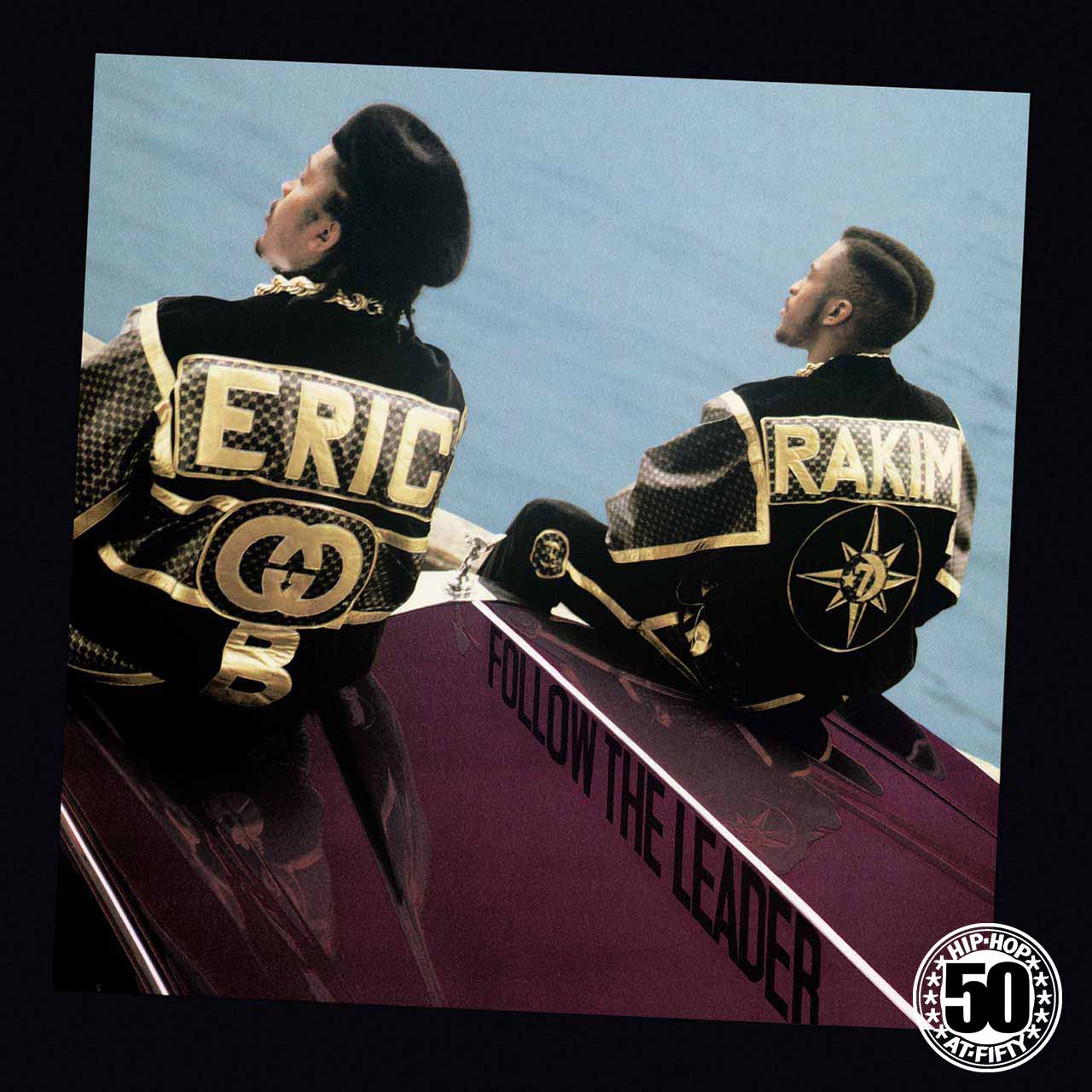
50 Years of Hip Hop Album Review: Follow the Leader, Straight Out the Jungle

Last year was the 50th anniversary of hip hop, and in honor of this anniversary, the idea bloomed in my mind that I should review the top 50 albums of that 50 years. As I crunched together a list from various sources, 50 proved to be too restrictive- many of the classics were getting squeezed out. So, to make a little more room, I opted for 100 albums, two for each of hip hop’s 50 years.

For its formative years, hip hop was a live entertainment form, with the first recorded songs not emerging until 1979, and the first albums in 1980. So my review will cover 1980-2023, with 50 posts of two albums each. The only ground rule I made for myself (besides looking for 2×50, aka 100, albums that were widely well-regarded) was that I had to have at least one from each year. As you’ll see by and by, some years get multiple albums, but since we have 100 spots for 43 years, it tends to all work out.

*June 2024 addendum: Due to some medical situations, I took a two month hiatus on blogging. It’s probably now unlikely I’ll finish this series this year. But I’m back at it, and I won’t mind extending into 2025 if you don’t!*

And with that, let’s embark on our next installment!

Eric B. & Rakim, Follow the Leader (1988)– Oh I like this! It feels like it combines both the heavy beats and aggressive scratching of the hardcore rap style of the mid-80s and the funk and soul samples, relaxed delivery, and more complex mixing of the new jack style of the late 80s. The duo produced and arranged it themselves, with live instruments from Rakim’s brother and some ghost production by Queen Latifah collaborator the 45 King. It was widely lauded at the time and is still well-regarded today. Which I think it richly deserves!

Jungle Brothers, Straight Out the Jungle (1988)- This is the first album in this review where I hear the specifically Afrocentric themes (and samples!) that would become emblematic of conscious hip hop in the 90s. It’s beautifully conversant with past music on the political wavelength, from Marvin Gaye to Grandmaster Flash’s “The Message”, full of positive lyrics on racial uplift, and has a lively mix that is almost psychedelic in its variety. That was my initial take, and indeed it turns out this New York trio (also known for bringing in jazz and house music influences) were the founders of the Native Tongues collective, which later featured such artists as De La Soul, A Tribe Called Quest, Queen Latifah, and Black Sheep. So this album genuinely is foundational to conscious hip hop, and given how much I loved that sub-genre in the 90s, it’s no surprise that I love this!

If you’re curious about the sources I used to compile my list, you can check them out here:

And if you want to catch up on the previous installments, here they are…

  1. Sugarhill Gang (1980)/Kurtis Blow (1980)
  2. 8th Wonder (1981)/The Message (1982)
  3. Wild Style Original Soundtrack (1983)/Fat Boys (1984)
  4. Ego Trip (1984)/Run-D.M.C. (1984)
  5. Escape (1985)/The Treacherous Three (1985)
  6. King of Rock (1985)/Radio (1985)
  7. Licensed to Ill (1986)/Raising Hell (1986)
  8. Criminal Minded (1987)/Paid in Full (1987)
  9. Bigger and Deffer (1987)/Long Live the Kane (1988)
  10. By All Means Necessary (1988)/Strictly Business (1988)

50 Years of Hip Hop Album Review: By All Means Necessary, Strictly Business

Last year was the 50th anniversary of hip hop, and in honor of this anniversary, the idea bloomed in my mind that I should review the top 50 albums of that 50 years. As I crunched together a list from various sources, 50 proved to be too restrictive- many of the classics were getting squeezed out. So, to make a little more room, I opted for 100 albums, two for each of hip hop’s 50 years.

For its formative years, hip hop was a live entertainment form, with the first recorded songs not emerging until 1979, and the first albums in 1980. So my review will cover 1980-2023, with 50 posts of two albums each. The only ground rule I made for myself (besides looking for 2×50, aka 100, albums that were widely well-regarded) was that I had to have at least one from each year. As you’ll see by and by, some years get multiple albums, but since we have 100 spots for 43 years, it tends to all work out.

*June 2024 addendum: Due to some medical situations, I took a two month hiatus on blogging. It’s probably now unlikely I’ll finish this series this year. But I’m back at it, and I won’t mind extending into 2025 if you don’t!*

And with that, let’s embark on our next installment!

Boogie Down Productions, By All Means Necessary (1988)– While their previous album, Criminal Minded, is widely seen as the birth of gangster rap, this album is often seen as the birth of politically conscious rap. This is no accident, or a mere marketing stance. Following the violent death of his Boogie Down Productions partner Scott La Rock in 1987, KRS-One radically changed his approach, developing the identity of “The Teacher” and calling out the ills that beset Black America while urging for their transformation. From the opening statement “My Philosophy”, to the bruising Deep Purple sample on the second track, to the urgent call to “Stop the Violence” on the third track, the meaning and power don’t let up. Along the way, the mix is stripped down and hard-hitting, the flow both furious and full of humorous charisma, and the lyrical content sharp. I’m fully on board with this album’s reputation as a classic!

EPMD, Strictly Business (1988)- Not having been very familiar with EPMD previously, I’m immediately struck by the smooth flow, and the inventiveness of the musical mix, which makes excellent use of funk samples (and even Eric Clapton and Steve Miller!). This definitely feels like peak 80s golden age. It may not have the kind of substance and heft of Boogie Down Production’s album, but it’s definitely still a solid and fun listen.

If you’re curious about the sources I used to compile my list, you can check them out here:

And if you want to catch up on the previous installments, here they are…

  1. Sugarhill Gang (1980)/Kurtis Blow (1980)
  2. 8th Wonder (1981)/The Message (1982)
  3. Wild Style Original Soundtrack (1983)/Fat Boys (1984)
  4. Ego Trip (1984)/Run-D.M.C. (1984)
  5. Escape (1985)/The Treacherous Three (1985)
  6. King of Rock (1985)/Radio (1985)
  7. Licensed to Ill (1986)/Raising Hell (1986)
  8. Criminal Minded (1987)/Paid in Full (1987)
  9. Bigger and Deffer (1987)/Long Live the Kane (1988)

50 Years of Hip Hop Album Review: Bigger and Deffer, Long Live the Kane

Last year was the 50th anniversary of hip hop, and in honor of this anniversary, the idea bloomed in my mind that I should review the top 50 albums of that 50 years. As I crunched together a list from various sources, 50 proved to be too restrictive- many of the classics were getting squeezed out. So, to make a little more room, I opted for 100 albums, two for each of hip hop’s 50 years.

For its formative years, hip hop was a live entertainment form, with the first recorded songs not emerging until 1979, and the first albums in 1980. So my review will cover 1980-2023, with 50 posts of two albums each. The only ground rule I made for myself (besides looking for 2×50, aka 100, albums that were widely well-regarded) was that I had to have at least one from each year. As you’ll see by and by, some years get multiple albums, but since we have 100 spots for 43 years, it tends to all work out.

*June 2024 addendum: Due to some medical situations, I took a two month hiatus on blogging. It’s probably now unlikely I’ll finish this series this year. But I’m back at it, and I won’t mind extending into 2025 if you don’t!*

And with that, let’s embark on our next installment!

LL Cool J, Bigger and Deffer (1987)– Let me give credit where credit is due: LL Cool J’s second album is harder, more rocking, has more inventive mixes, and more complex lyrics that his first. In other words, it’s the sound of an artist reaching for something beyond their debut on their sophomore album, and succeeding. The album did well by him too- it remains well-regarded to this day, and in its own day was the fourth rap album ever to go platinum. For me personally, it doesn’t have the charm or originality of Radio, but then again that remains one of my favorite albums ever. I think Bigger and Deffer has done well enough that he’ll forgive me for the review.

Big Daddy Kane, Long Live the Kane (1988)- This is kind of peak 80s on pop radio friendly hip hop. It’s got the braggadocio and attitude, but pitched at PG for mass consumption. Which isn’t to say there are traces of conscious and political themes, but even they are streamlined and neutered. The mix too is very consciously compatible with 80s R&B. If it sounds like I’m damning with faint praise, well it’s true the sound isn’t a lot to my taste. That, ironically, may have to do with it’s success though- with producer Marley Marl, Kane put out a sound that featured classic soul samples in a way that presaged the 90s, his fast vocal flow was very influential, and even the very songs from this album have been extensively sampled by others. So if I feel like maybe I’ve heard this before, I heard it from things that came out after, and because of, this album.

If you’re curious about the sources I used to compile my list, you can check them out here:

And if you want to catch up on the previous installments, here they are…

  1. Sugarhill Gang (1980)/Kurtis Blow (1980)
  2. 8th Wonder (1981)/The Message (1982)
  3. Wild Style Original Soundtrack (1983)/Fat Boys (1984)
  4. Ego Trip (1984)/Run-D.M.C. (1984)
  5. Escape (1985)/The Treacherous Three (1985)
  6. King of Rock (1985)/Radio (1985)
  7. Licensed to Ill (1986)/Raising Hell (1986)
  8. Criminal Minded (1987)/Paid in Full (1987)

50 Years of Hip Hop Album Review: Criminal Minded, Paid in Full

Last year was the 50th anniversary of hip hop, and in honor of this anniversary, the idea bloomed in my mind that I should review the top 50 albums of that 50 years. As I crunched together a list from various sources, 50 proved to be too restrictive- many of the classics were getting squeezed out. So, to make a little more room, I opted for 100 albums, two for each of hip hop’s 50 years.

For its formative years, hip hop was a live entertainment form, with the first recorded songs not emerging until 1979, and the first albums in 1980. So my review will cover 1980-2023, with 50 posts of two albums each. The only ground rule I made for myself (besides looking for 2×50, aka 100, albums that were widely well-regarded) was that I had to have at least one from each year. As you’ll see by and by, some years get multiple albums, but since we have 100 spots for 43 years, it tends to all work out.

*June 2024 addendum: Due to some medical situations, I took a two month hiatus on blogging. It’s probably now unlikely I’ll finish this series this year. But I’m back at it, and I won’t mind extending into 2025 if you don’t!*

And with that, let’s embark on our next installment!

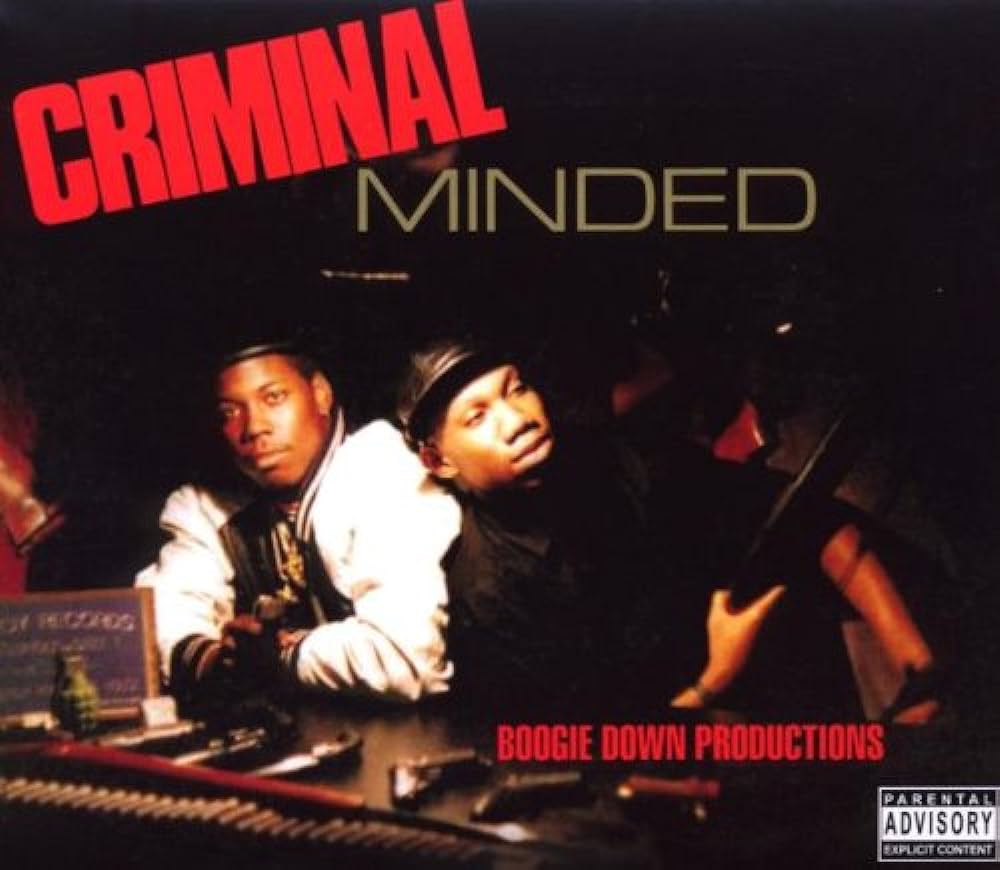
Boogie Down Productions, Criminal Minded (1987)– One common take on this album is that it’s the first “gangster rap” album, i.e. something steeped in the more violent side of inner city reality (the South Bronx in their case). The other common take is that after the untimely death of group member Scott La Rock while trying to defuse a violent situation, KRS One took the group in a more conscious direction in his identity as “The Teacher”. That may be, but there’s plenty of social consciousness, and crackling furious teaching going on here. The other thing that stands out for me on the mix side is how solid a “hardcore rap” vintage mid-80s sound it is, and how it’s one of the first albums we’ve come across to mix in the “ragamuffin” reggae style as well, which became a staple for many acts later in the 80s. All in all, a sterling outing.

Eric B. & Rakim Paid in Full (1987)- If the previous album was perhaps the birth of Gangster Rap, this one is an early exemplar of the swinging and relaxed “New Jack” style. When DJ Eric B. put out an ad looking for “New York’s top MC” and was answered by Long Island native Rakim, it was a serendipitous pairing. Rakim brought a lyrical complexity, relaxed vocal flow and complex rhyming schemes unlike the hard hitting rhymes that were in style, influence of jazz, and the empowering message of the Five Percent movement. Even more impressive given that it was recorded in a week, Paid in Full was an influential album for several generations of hip-hop to follow. Listening to it now, I can see why!

If you’re curious about the sources I used to compile my list, you can check them out here:

And if you want to catch up on the previous installments, here they are…

  1. Sugarhill Gang (1980)/Kurtis Blow (1980)
  2. 8th Wonder (1981)/The Message (1982)
  3. Wild Style Original Soundtrack (1983)/Fat Boys (1984)
  4. Ego Trip (1984)/Run-D.M.C. (1984)
  5. Escape (1985)/The Treacherous Three (1985)
  6. King of Rock (1985)/Radio (1985)
  7. Licensed to Ill (1986)/Raising Hell (1986)

50 Years of Hip Hop Album Review: Licensed to Ill, Raising Hell

Last year was the 50th anniversary of hip hop, and in honor of this anniversary, the idea bloomed in my mind that I should review the top 50 albums of that 50 years. As I crunched together a list from various sources, 50 proved to be too restrictive- many of the classics were getting squeezed out. So, to make a little more room, I opted for 100 albums, two for each of hip hop’s 50 years.

For its formative years, hip hop was a live entertainment form, with the first recorded songs not emerging until 1979, and the first albums in 1980. So my review will cover 1980-2023, with 50 posts of two albums each. The only ground rule I made for myself (besides looking for 2×50, aka 100, albums that were widely well-regarded) was that I had to have at least one from each year. As you’ll see by and by, some years get multiple albums, but since we have 100 spots for 43 years, it tends to all work out.

And with that, let’s embark on our next installment!

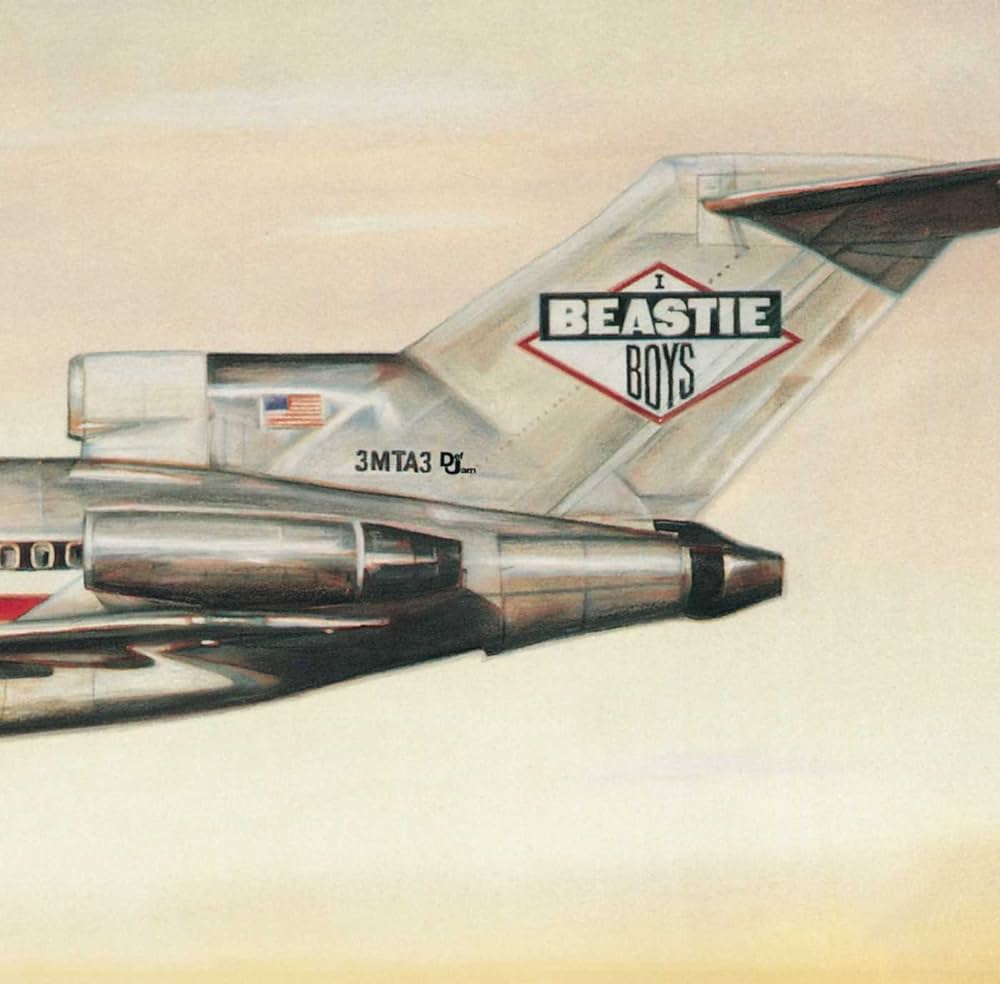
Beastie Boys, Licensed to Ill (1986)– It’s a little weird evaluating an album I had such a strong teen relationship with. Even at the time I rolled my eyes at some of the braggadocio, misogyny, and beer-soaked raunchiness. Nevertheless, I played it all the time, and it was totally ubiquitous in my high school social circles. I didn’t think about it much at the time, but now I also see the additional problematic nature of an album by three white boys and their white producer being the most successful hip hop album of the decade. From the perspective of several decades (eeep!), however, I am also aware that they were playing characters on this album, and that they never held their craft or their peers in less than total respect. And the sheer sonic wonder of it, from 808 beats to metal and punk samples to seamless vocal interplay between the three to the pop culture kaleidoscope background mix, actually looms larger with time. This album is in some ways the masterful third part of a one-year trilogy by producer Rick Rubin that defined an entire era of hip hop and continues to influence the genre to this day. The first installment being L.L. Cool J’s Radio, and the centerpiece being our next entry…

Run-D.M.C., Raising Hell (1986)- Run D.M.C.’s third album came together in just three months, which is impressive all on its own, but even more so given how large it continues to loom. It had the kind of serendipity behind it that one can’t plan for- the group coming off of tour with well-polished new material, and signing on to Def Jam when producers Russell Simmons and Rick Rubin were at the height of their game. The mainstream breakout of the album is the “Walk This Way” crossover with Aeromsith, which arguably resurrected that band and set the stage for their late 80s comeback. And while I do appreciate that song now, even more so than I did when it came out to saturating overplay in the 80s, on current listen the other singles on the album are the standouts- “It’s Tricky” and “My Adidas”, for example, hit just as hard as ever. In every aspect Run-D.M.C. is both perfectly channeling and surpassing their strengths on this album. I can definitely see why Raising Hell is the album many other hip hop artists cite as an inspiration and one of their all-time favorites.

If you’re curious about the sources I used to compile my list, you can check them out here:

And if you want to catch up on the previous installments, here they are…

  1. Sugarhill Gang (1980)/Kurtis Blow (1980)
  2. 8th Wonder (1981)/The Message (1982)
  3. Wild Style Original Soundtrack (1983)/Fat Boys (1984)
  4. Ego Trip (1984)/Run-D.M.C. (1984)
  5. Escape (1985)/The Treacherous Three (1985)
  6. King of Rock (1985)/Radio (1985)

50 Years of Hip Hop Album Review: King of Rock, Radio

Last year was the 50th anniversary of hip hop, And in honor of this anniversary, the idea bloomed in my mind that I should review the top 50 albums of that 50 years. As I crunched together a list from various sources, 50 proved to be too restrictive- many of the classics were getting squeezed out. So, to make a little more room, I opted for 100 albums, two for each of hip hop’s 50 years.

For its formative years, hip hop was a live entertainment form, with the first recorded songs not emerging until 1979, and the first albums in 1980. So my review will cover 1980-2023, with 50 posts of two albums each. The only ground rule I made for myself (besides looking for 2×50, aka 100, albums that were widely well-regarded) was that I had to have at least one from each year. As you’ll see by and by, some years get multiple albums, but since we have 100 spots for 43 years, it tends to all work out.

And with that, let’s embark on our next installment!

Run-D.M.C., King of Rock (1985)– Although this album made several lists, it wasn’t nearly as highly-rated as their debut (which I covered two installments ago) or their third album (which will be in our next installment). That’s about where my assessment lands as well. The music pushes itself here compared to their first album- it leans even more heavily into sampling rock, plays with reggae, and has more varied and playful mixes. What it doesn’t have is the track after track punch, sharp vocal presence, and lyrical weight. This isn’t to take anything away from it- sophomore efforts are inherently difficult and producer Larry Smith continued the bold work he was doing all over the place in this era. And if it’s not quite as coherent as an album as what came before and after, that didn’t stop it from going platinum, or being suitably bold in staking their royal claim to simultaneous domination of rap and rock. It even includes a track written by the artist up next…

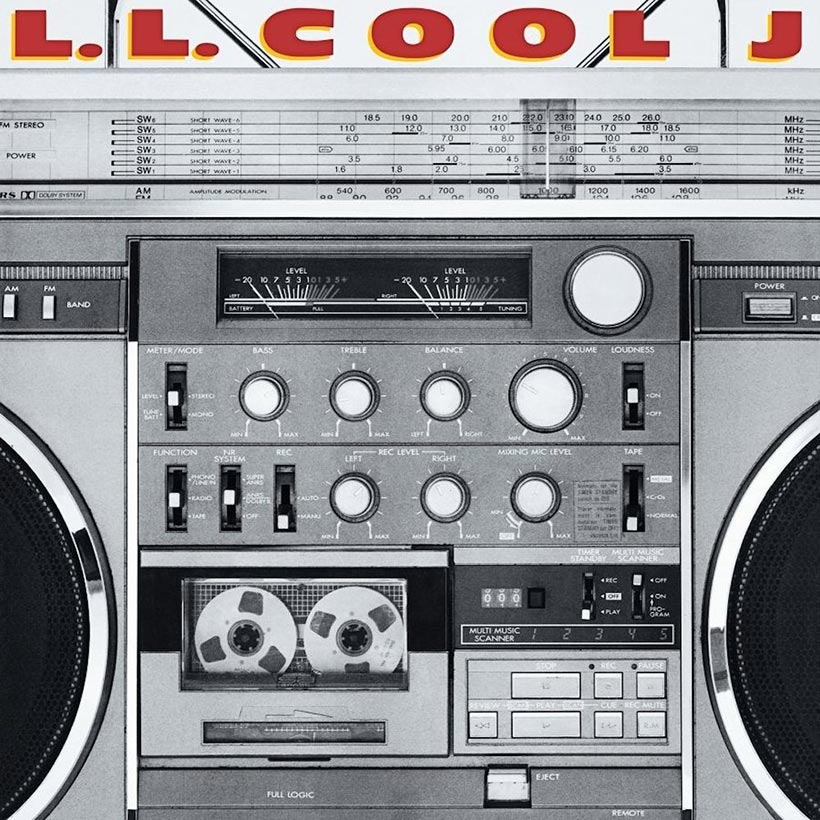
LL Cool J, Radio (1985)- I have a soft spot in my heart for this album, since it’s one of the first I bought with my own money. But it’s not here because of my partiality, it was an entry on five different “best” lists. Also, did I say “soft spot”? Because that’s not right at all. It’s a hard spot! Hard as the orchestra hits and metallic scratches, the sharp jab of the 808 beats, and the simultaneously aggressive and humorous vocal and lyrical punch of LL himself. Ahem. Okay, but again, don’t just take my fanboying word for it- the album is often cited as one of the turning points for bringing rap’s new school and volume-based boombox sound to the fore in hip hop. It’s also considered an exemplar of Rick Rubin’s spare and hard-hitting production style. Radio was a hit at the time, and it still stands up today, which is even more remarkable when you consider that LL Cool J was 16 and Rubin was a 21 year-old college student when they recorded the earliest songs from it in 1984.

If you’re curious about the sources I used to compile my list, you can check them out here:

And if you want to catch up on the previous installments, here they are…

  1. Sugarhill Gang (1980)/Kurtis Blow (1980)
  2. 8th Wonder (1981)/The Message (1982)
  3. Wild Style Original Soundtrack (1983)/Fat Boys (1984)
  4. Ego Trip (1984)/Run-D.M.C. (1984)
  5. Escape (1985)/The Treacherous Three (1985)

50 Years of Hip Hop Album Review: Escape, The Treacherous Three

Last year was the 50th anniversary of hip hop, And in honor of this anniversary, the idea bloomed in my mind that I should review the top 50 albums of that 50 years. As I crunched together a list from various sources, 50 proved to be too restrictive- many of the classics were getting squeezed out. So, to make a little more room, I opted for 100 albums, two for each of hip hop’s 50 years.

For its formative years, hip hop was a live entertainment form, with the first recorded songs not emerging until 1979, and the first albums in 1980. So my review will cover 1980-2023, with 50 posts of two albums each. The only ground rule I made for myself (besides looking for 2×50, aka 100, albums that were widely well-regarded) was that I had to have at least one from each year. As you’ll see by and by, some years get multiple albums, but since we have 100 spots for 43 years, it tends to all work out.

And with that, let’s embark on our next installment!

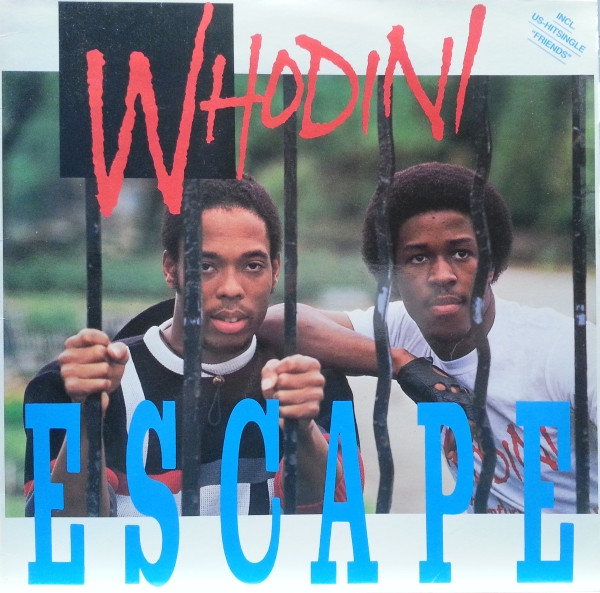
Whodini, Escape (1984)– This is the second album from the Brooklyn trio of Jalil Hutchins, Ecstasy, and Grandmaster Dee. Coming off of a European tour that convinced them there was widespread appeal to rap music, they headed back into the studio with pioneering producer Larry Smith. The original plan was to go for a more rock-based sound, but hearing Smith’s work in that vein on Run-D.M.C.’s debut, the group decided for something different, working in live bass tracks and R&B-oriented syntheiszer work. The radio friendly sound that resulted was both successful (it was the first rap album to debut in the top 40) and influential- the album helped launch the “new jack swing” style of the 80s that bridged R&B and rap. It also contains One of the linchpins of the obsession with “freak” songs I formed in junior high dances, “Freaks Come Out At Night”. Talk about influential! (Note: The version linked here is a 2011 expanded edition, but if you take just the first eight tracks, that’s the original 1984 album.)

The Treacherous Three, The Treacherous Three (1984)- This album is something of a throwback (to the extent that hip hop had enough history at that point to allow for throwbacks) in that half the songs on it had originally been released in 1980/81 as singles, and had even been previously compiled in a 1983 release. When Sugarhill Records brought this Harlem-based crew of DJ Easy Lee, Kool Moe Dee, L.A. Sunshine, Special K and Spoonie Gee on board, producer/President Sylvia Robinson took the earlier singles, added three new songs from 1983 and produced what you find here. If you can find it. You can get all the songs individually and listen to them in order, which is what I did for these purposes, but despite being well-regarded and considered influential, I couldn’t find the album as a whole on any streaming service. I think it’s worth the effort to track these songs down, though, because what you’ll hear on songs like “The Body Rock”, “Turning You On”, and “U.F.O.” is the sound of transition from early hip hop party jams to the electro style that led to so much else. Miami bass, house, techno, and on and on…

If you’re curious about the sources I used to compile my list, you can check them out here:

P.S., as of this posting, we’re 10% through! If you want to catch up on the previous installments, here they are…

  1. Sugarhill Gang (1980)/Kurtis Blow (1980)
  2. 8th Wonder (1981)/The Message (1982)
  3. Wild Style Original Soundtrack (1983)/Fat Boys (1984)
  4. Ego Trip (1984)/Run-D.M.C. (1984)

50 Years of Hip Hop Album Review: Ego Trip, Run-D.M.C.

Last year was the 50th anniversary of hip hop, And in honor of this anniversary, the idea bloomed in my mind that I should review the top 50 albums of that 50 years. As I crunched together a list from various sources, 50 proved to be too restrictive- many of the classics were getting squeezed out. So, to make a little more room, I opted for 100 albums, two for each of hip hop’s 50 years.

For its formative years, hip hop was a live entertainment form, with the first recorded songs not emerging until 1979, and the first albums in 1980. So my review will cover 1980-2023, with 50 posts of two albums each. The only ground rule I made for myself (besides looking for 2×50, aka 100, albums that were widely well-regarded) was that I had to have at least one from each year. As you’ll see by and by, some years get multiple albums, but since we have 100 spots for 43 years, it tends to all work out.

And with that, let’s embark on our next installment!

Kurtis Blow, Ego Trip (1984)– When I think of the first hip-hop I loved, I think of the fat metallic beats of the 808 drum machine, the hard-hitting flow, the orchestra hit, the aggressive echo and stutter of fast scratching and mixing, rock guitar samples. In other words, I think of the sound of 1984-1986, and this album is replete with that sound. There are moments certainly, like the mellow groove of “Falling Back in Love Again” and the goofy innocent glee of the sports fan anthem “Basketball”, that don’t hit quite that raw, but the main vibe of the album is heavy in a way Kurtis Blow hadn’t done previously on his own albums. And in that vein, it’s assuredly no accident that Run- D.M.C. show up as guests in the album’s opening track, the urban storytelling of “8 million stories”. Which brings us to…

Run-D.M.C, Run-D.M.C (1984)- I mentioned in last week’s post that there was a “class of 1984”. In 1980-1982 there were only eight hip hop albums in total. 1983 opened things up a lot, with twelve in just that year. But 1984 was really when the genre broke out- thirteen albums came out, including several classic releases. And it was also the year that introduced the hard-hitting “hardcore” sound I mentioned above to the general public. Run-D.M.C., both the group and the album, was crucial to all of this. This was the first rap record to go gold, and the album that brought hip hop to MTV. Even today, it sounds palpably powerful, and there isn’t a single track that lags. And frankly, if “Rock Box” wasn’t one of the hardest rocking songs of 1984 then I don’t even know!

If you’re curious about the sources I used to compile my list, you can check them out here:

And if you want to catch up on the previous installments, here they are!

  1. Sugarhill Gang (1980)/Kurtis Blow (1980)
  2. 8th Wonder (1981)/The Message (1982)
  3. Wild Style Original Soundtrack (1983)/Fat Boys (1984)

50 Years of Hip Hop Album Review: Wild Style Original Soundtrack, Fat Boys

Last year was the 50th anniversary of hip hop, And in honor of this anniversary, the idea bloomed in my mind that I should review the top 50 albums of that 50 years. As I crunched together a list from various sources, 50 proved to be too restrictive- many of the classics were getting squeezed out. So, to make a little more room, I opted for 100 albums, two for each of hip hop’s 50 years.

For its formative years, hip hop was a live entertainment form, with the first recorded songs not emerging until 1979, and the first albums in 1980. So my review will cover 1980-2023, with 50 posts of two albums each. The only ground rule I made for myself (besides looking for 2×50, aka 100, albums that were widely well-regarded) was that I had to have at least one from each year. As you’ll see by and by, some years get multiple albums, but since we have 100 spots for 43 years, it tends to all work out.

And with that, let’s embark on our next installment!

Various Artists, Wild Style Original Soundtrack (1983)– This is the soundtrack of Wild Style, a groundbreaking film from/in celebration of the New York hip hop culture of the early 80s. If the film is considered seminal, the album is even more so. It features a variety of styles, often harder-hitting than the “feel good party music” side of hip hop that had mostly appeared on albums up until then, is replete with the sounds of early turntabilism, and has contributions from a host of artists who were key figures in early hip hop but didn’t release their own albums in that era (including production work from Fab Five Freddy). It’s also a bit of a difficult album to lay your (virtual) hands on- there’s the original 1983 version, but what you’ll mostly find on streaming is a 1997 re-issue that drops a few tracks and adds a few more, or the 25th anniversary two volume edition that has almost but not quite the original as disc one and then a bunch of additional material and alternate tracks as disc two. Whichever way you end up going, though, it’s well worth the listen!

The Fat Boys, Fat Boys (1984)- If you remember mid-80s hip-hop from the mid-80s, you perhaps remember that it was often, for want of a better word, goofy. The Fat Boys as a general phenomenon, and this album in particular are an exhibit par excellence of that principle. Which is not by any means to say it is bad- it’s 1984 after all, so are we any goofier here than Huey Lewis? And in fact, this album has a lot to recommend it- it’s maybe the first album to introduce the beatboxing sound, is loaded with clever and playful sound production, and even manages some genuinely subversive coded messaging in the opening track about ending up in jail due to eating too much. The excellence is no accident- in addition to the native charm and talent of the Brooklyn trio, the album brings Kurtis Blow on board as producer and enlists pioneering drum machine and bass producers Larry Smith and Davy DMX (who also worked with Run-D.M.C.) in creating the sound. It’s also one of the first albums, along with several other members of the class of 1984 (more on this coming up next time) to shake the genre’s early insecurity and put out an all rap album from start to finish.

If you’re curious about the sources I used to compile my list, you can check them out here:

And if you want to catch up on the previous installments, here they are!

  1. Sugarhill Gang (1980)/Kurtis Blow (1980)
  2. 8th Wonder (1981)/The Message (1982)